
Skin & Genital Skin STD Services — Diagnosis & Treatment Warts, Molluscum, Herpes Lesions, Ulcers, Lice & Other Skin Conditions
Diagnosis and treatment of skin and genital-skin conditions — genital warts, molluscum, herpes lesions, ulcers, lice, scabies and non-infective mimics — at Thamel Clinic, Kathmandu.
Medically Reviewed Content
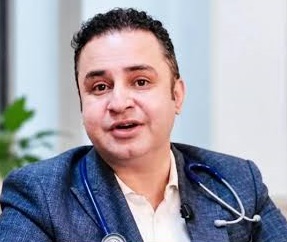
Reviewed by: Dr. Sushil Sitaula (MBBS, MD - Internal Medicine)
Last medical review: June 1, 2026
Next scheduled review: December 1, 2026
This content follows evidence-based medical guidelines and is regularly updated to reflect current medical practices.
Skin STD Services — What to Know
- Correct testing matters: the right method for the condition determines accuracy.
- Interpretation requires context: window periods and confirmatory testing matter.
- A positive needs follow-through: treatment is part of the pathway, not just the report.
Skin STD Care in Kathmandu
- Correct identification first — same-looking bump can be warts, molluscum, normal anatomy or something else entirely.
- Lesion-based testing — PCR from a lesion is most reliable herpes diagnostic; warts and molluscum are usually visual.
- Partner implications — several skin conditions need partner evaluation or avoidance of contact while lesions are present.
- Confidential, non-judgmental — genital skin concerns are routine clinical presentations, handled professionally.
Skin Conditions That Belong in an STD Evaluation
A large fraction of what patients notice in genital area is skin — bumps, blisters, ulcers, itching, discoloration — and causes range from classic STIs (genital warts, herpes, syphilis chancres, molluscum) through skin-to-skin conditions (lice, scabies) to completely non-infective diagnoses (lichen sclerosus, eczema, trauma, normal anatomical variants).
The honest point: same-looking lesion can be several different conditions, and correct diagnosis decides correct treatment. Genital warts are treated differently from molluscum, which is treated differently from Fordyce spots or a syphilis chancre. Visual assessment by an experienced clinician — sometimes with PCR, biopsy or serology — is what separates them.
This service covers full range: infective and non-infective genital skin conditions, accurate differentiation between them, and right treatment or reassurance for whichever it turns out to be.
This page covers Skin STD Services in Kathmandu — confidential, non-judgmental care. Correct evaluation comes first: the actual condition or need determines which approach is appropriate, and the plan is matched to the real cause rather than generic advice. Skin STD services provide the diagnosis and treatment of the skin manifestations of STIs — genital warts, herpes lesions, syphilis rash, molluscum, scabies — with correct diagnosis and the treatment pathway for positive results.
Infective Skin Conditions
Genital warts — caused by low-risk HPV types (mostly 6 and 11), treated by cryotherapy, topical agents or removal; recurrence is common (~30%+ within months) because virus persists after visible lesions clear. They signal HPV exposure but are not cancer-causing types.
Herpes lesions — grouped painful blisters or ulcers on a red base; lesion PCR within ~2–12 days of a fresh lesion is most reliable test. Recurrences are typically milder than first episode. Molluscum — small, firm, dome-shaped bumps with a central dimple; usually self-limiting, removed for cosmetic or transmission reasons.
Syphilis chancre — a single, painless, firm-based ulcer appearing ~2–3 weeks after exposure; easy to miss because it does not hurt and heals on its own. Chancroid and donovanosis cause other ulcer patterns. Each has a distinct treatment and a distinct implication for future — visual misidentification mistreats them all.
Genital Warts
HPV types 6/11; removed by cryo/topical; ~30%+ recurrence despite clearance.
Herpes Lesions
Painful grouped vesicles/ulcers; lesion PCR is best diagnostic.
Molluscum
Dome-shaped umbilicated bumps; self-limiting, removable.
Ulcers
Painless chancre vs painful chancroid vs other patterns — serology and PCR differentiate.
Skin-to-Skin Conditions
Pubic lice — itching, visible lice or nits at hair base; treated with permethrin or equivalent, plus washing clothing and bedding and checking partners. Scabies — intense itching, worse at night, with burrows in skin folds; permethrin treats it, and close contacts need simultaneous treatment to prevent ping-pong reinfection.
Mpox — a lesion illness spreading by close contact including sexual contact; managed with isolation guidance, supportive care, and confirmation where available. These conditions are common, mundane clinical presentations — nothing to be embarrassed about, but they need correct identification.
Pubic Lice
Itching plus visible lice/nits; permethrin plus laundry and partner check.
Scabies
Intense night itching with burrows; simultaneous contact treatment prevents reinfection.
Mpox
Lesion illness by close contact — isolation guidance and supportive care.
Not All Skin Is STI
Eczema, trauma, normal variants — assessment distinguishes them.
Non-Infective & Mimic Conditions
A substantial fraction of "STI-looking" genital skin is not infectious at all: Fordyce spots and pearly penile papules (normal anatomy), lichen sclerosus and lichen planus (inflammatory conditions needing specific treatment), eczema, contact dermatitis, trauma, and simple folliculitis.
These conditions get mistreated when they are misidentified — an STI diagnosis wrongly applied, or a non-STI condition wrongly treated as infection. The clinical distinction matters; where diagnosis is uncertain, biopsy or targeted testing settles it.
Normal Variants
Fordyce spots, pearly papules — normal anatomy needing no treatment.
Lichen Conditions
Lichen sclerosus/planum — chronic inflammatory conditions needing specific therapy.
Dermatitis & Trauma
Irritant and contact causes — common, benign, treatable.
Biopsy Where Needed
Uncertain lesions are biopsied rather than guessed.
How We Approach Diagnosis
Assessment starts with examination — most genital skin conditions are primarily visual diagnoses. Where diagnosis is uncertain or implications are significant (a painless ulcer could be syphilis; a persistent lesion could need biopsy), targeted testing follows: lesion PCR for herpes, serology for syphilis, biopsy for ambiguous chronic lesions.
Treatment follows diagnosis: removal for warts and molluscum, antivirals for herpes, penicillin for syphilis, permethrin for lice and scabies, or specific dermatological therapy for non-infective conditions. Partners and household contacts are advised appropriately for transmissible diagnoses.
Visual First
Most diagnoses are primarily clinical — examination identifies them.
Targeted Testing
PCR, serology or biopsy where examination alone cannot settle it.
Diagnosis-Matched Treatment
The correct therapy for actual condition — not a guess.
Partner/Contact Advice
For transmissible conditions — discreet guidance on who else needs checking.
Skin STD Services
Correct testing
The correct method matched to the condition — NAAT, serology, or molecular.
Correct interpretation
Results read in context — window periods, confirmatory testing.
Treatment pathway
Positive results lead to correct treatment, not just a report.
Follow-up
Retesting and monitoring where indicated — confirms cure.
Skin STD Services
| Service | What It Includes | Cost (NPR) |
|---|---|---|
| Consultation | Private examination and assessment | Rs. 450 |
| Lesion diagnostics | PCR, serology or biopsy where indicated | Lab rate |
| Treatment | Removal, topical therapy, antivirals or antibiotics as diagnosed | Per case |
| Follow-up | Recurrence monitoring and partner/contact review | Per case |
Transparent pricing; confirm when booking.
Why Thamel Clinic for Skin STD Care
- Correct identification — same-looking bump can be many things; we distinguish them.
- Lesion-based testing — PCR and biopsy where visual assessment is not enough.
- Complete treatment — removal, therapy, partner and contact management.
- Honest reassurance — normal variants identified correctly, not over-treated.
- Confidential — private consultations and records throughout.
Relevant Specialist Expertise
These clinicians provide care within their scope of practice at our clinic.

Dr. Amrita Shrestha
Consultant Dermatologist and Venereologist
Dr. Amrita Shrestha is a Consultant Dermatologist and Venereologist and an MD Dermatology Gold Medalist from Tribhuvan University, Institute of Medicine, Maharajgunj Medical Campus. Her clinical work spans general and clinical dermatology, sexually transmitted infections, HIV-associated skin conditions, leprosy and neglected tropical diseases, and complex dermatological emergencies.
Key Expertise
Frequently Asked Questions
How do you tell warts from molluscum?
Mostly by appearance — warts are rough, molluscum is smooth and umbilicated; uncertain lesions are tested or biopsied.
Can genital warts come back after removal?
Yes — ~30%+ recur within months because virus persists; treatment clears lesions, not virus.
Is a painless ulcer serious?
Possibly — a painless genital ulcer can be a syphilis chancre; it should be tested, not ignored because it does not hurt.
Do all genital bumps mean an STI?
No — Fordyce spots, pearly papules, folliculitis and eczema are common and harmless; examination tells difference.
What is best test for herpes?
Lesion PCR from a fresh sore (~2–12 days) — more reliable than blood tests for acute lesions.
Should my partner be seen?
For warts, herpes, lice, scabies and syphilis — yes; partner evaluation and sometimes treatment is part of care.
What does the service provide?
Correct testing or care matched to the condition — with treatment and follow-up.
Is the service confidential?
Yes — private and non-judgmental throughout.
Still have questions? Contact us or book an appointment for personalized guidance.
Related Services & Guides
Related Health Guides
Medical Disclaimer
Important information about using this medical website
Educational Purpose Only
The information provided on this website, including all text, graphics, images, and other material, is for informational and educational purposes only. It is not intended to be a substitute for professional medical advice, diagnosis, or treatment.
No Doctor-Patient Relationship
Use of this website does not create a doctor-patient relationship. The information provided is not tailored to your specific medical condition or health needs. Always seek the advice of your physician or other qualified health provider with any questions you may have regarding a medical condition.
Emergency Situations
If you think you may have a medical emergency, call your doctor or emergency services immediately. In Nepal, call 102 for emergency services or go to the nearest hospital emergency room.
Emergency Contact Information:
National Emergency:
102 (Ambulance)
Our Clinic:
+977-9700682800 (WhatsApp available 24/7)
Bir Hospital Emergency:
+977-1-4412400
TU Teaching Hospital:
+977-1-4434320
Timeliness of Information
Medical information changes rapidly. While we strive to provide current and accurate information, we make no guarantees about the completeness, accuracy, reliability, suitability, or availability with respect to the website or the information contained on the website.
Professional Medical Advice Required
Never disregard professional medical advice or delay in seeking it because of something you have read on this website. If you have any specific questions about any medical matter, you should consult your doctor or other professional healthcare provider.
Treatment and Diagnosis
Do not use the information on this website to diagnose or treat any health problem or disease. The descriptions of treatments and medications provided are for general informational purposes only and do not constitute medical advice.
Limitation of Liability
In no event shall we be liable for any loss or damage arising from the use of this website or reliance on the information provided herein. This includes, but is not limited to, direct, indirect, incidental, punitive, and consequential damages.
Nepal-Specific Considerations
This website is operated in Nepal and is intended for users in Nepal. The medical information provided may not be applicable to healthcare systems outside Nepal. Always consult with local healthcare providers familiar with Nepal's healthcare system and regulations.
Last Updated: November 20, 2026 |Clinic: Thamel Clinic |Licensed: Registered