
PCR Testing Process Explained From Sample to Result, Step by Step
A clear explanation of how PCR and NAAT testing works — from specimen collection through nucleic acid extraction, amplification and detection — and what your results actually mean.
Medically Reviewed Content
Reviewed by: Thamel Clinic Clinical Team (MBBS, MD)
Last medical review: November 8, 2026
Next scheduled review: May 8, 2027
This content follows evidence-based medical guidelines and is regularly updated to reflect current medical practices.
Understanding Your PCR Results
- A positive PCR does not always mean active infection — timing and clinical context matter.
- Never change treatment based on a PCR result without consulting the ordering clinician.
- A negative test before the window period has passed does not rule out infection.
- Unexpected results should be discussed with a doctor, not self-interpreted.
PCR and Molecular Testing in Nepal
- Availability in Kathmandu — Molecular PCR and NAAT platforms are available in private laboratories in Kathmandu, bringing tests that were once only at reference labs into routine care.
- Import-dependent reagents — PCR kits and reagents are imported, so supply consistency and cold chain management affect availability and turnaround.
- Cost considerations — Molecular tests cost more than rapid tests in Nepal, but their accuracy often makes them better value for conditions needing certainty.
- Quality variation — Not all labs maintain the same quality control; reputable facilities run controls with every batch and participate in external quality assessment.
- Growing awareness — Post-COVID public familiarity with PCR has made patients more comfortable requesting molecular testing for STIs and other infections.
Overview
PCR — polymerase chain reaction — is the molecular technology behind most modern infectious disease testing. Rather than looking for antibodies or culturing organisms, PCR detects the genetic material of the pathogen itself. This makes it extraordinarily sensitive: it can find a handful of viral or bacterial DNA molecules in a sample and amplify them until they are measurable.
The technology revolutionised diagnostics over three decades. HIV RNA PCR detects infection weeks before antibodies appear. COVID-19 testing brought PCR into public awareness. In sexual health, NAAT — a PCR-based method — is now the gold standard for chlamydia, gonorrhoea, herpes and HPV testing because it is more sensitive than older methods and works on simple specimens like urine.
Understanding the process helps patients interpret results correctly. PCR answers a specific question: is the organism's genetic material present in this specimen? It does not tell you whether infection is active, how long ago it happened, or whether treatment worked — those require clinical context, timing and sometimes quantitative follow-up.
This page walks through each step of the PCR testing process, explains qualitative versus quantitative results, clarifies window periods and limitations, and shows how Thamel Clinic's laboratory applies these methods in practice.
What PCR Actually Does
PCR takes a tiny amount of genetic material from a specimen and makes billions of copies of a specific target sequence through repeated heating and cooling cycles. Each cycle doubles the target: after 30 cycles, one molecule becomes over a billion. This amplification makes detection possible even when the original amount was far too small to measure directly.
The specificity comes from primers — short DNA sequences designed to bind only to the target organism's genetic material. If the organism is not present, nothing amplifies and the result is negative. If it is present, the amplified product is detected by fluorescent markers, producing a positive result.
- Amplifies target DNA or RNA through repeated temperature cycles
- Primers ensure only the specific organism is detected
- Fluorescent markers signal amplification in real time
- Detects genetic material directly — no need for organism growth
- Works on blood, urine, swabs, tissue and other specimens
- Can be qualitative (present/absent) or quantitative (amount)
Amplification Power
PCR can detect a single molecule of viral or bacterial DNA — sensitivity far beyond what any other diagnostic method achieves.
Primer Specificity
Primers bind only to the target sequence, making false positives rare when proper controls are maintained.
Direct Detection
PCR finds the organism itself rather than waiting for antibodies — detecting infection before the immune system responds.
Versatility
The same technology detects bacteria, viruses, parasites and human genetic markers — making it the most flexible diagnostic tool available.
The Step-by-Step Laboratory Process
Step one is specimen collection — the correct sample type matters enormously. Urine for urethral infections, swabs for lesions or cervical sites, blood for systemic infections. The specimen goes into a stabilising transport medium that preserves the genetic material until processing.
In the laboratory, technicians extract nucleic acid from the specimen, separating DNA or RNA from other cellular material. The extract goes into the PCR machine with primers, enzymes and fluorescent markers. The machine runs 30–45 temperature cycles, each doubling the target if present. Software monitors fluorescence in real time and reports the result.
- Specimen collection — urine, swab, blood or tissue as clinically indicated
- Transport in stabilising medium to preserve nucleic acids
- Nucleic acid extraction — separating DNA/RNA from cellular debris
- PCR setup — adding extract to reaction mix with primers and markers
- Amplification — 30–45 temperature cycles doubling target each round
- Detection — fluorescence monitored in real time by software
- Review — results checked against controls before release
Collection Matters
The right specimen from the right site is essential — a throat swab cannot detect genital infection and vice versa.
Extraction
Nucleic acids are purified from the specimen, removing inhibitors that could interfere with amplification.
Amplification Cycles
Each cycle involves heating to separate strands, cooling to bind primers, and extending the new strand — repeated dozens of times.
Real-Time Detection
Fluorescent markers light up as amplification occurs, allowing the machine to quantify and time the reaction precisely.
Qualitative vs Quantitative PCR Results
Qualitative PCR answers a binary question: is the target present or not? The result is reported as detected or not detected, positive or negative. This is what most STI testing uses — you want to know if chlamydia, gonorrhoea or herpes is there, not how much.
Quantitative PCR measures how much target is present — reported as copies per millilitre or as a viral load. This matters for HIV treatment monitoring, hepatitis B and C therapy, and some research applications. A falling viral load on treatment confirms the therapy is working; a rising one signals failure or resistance.
- Qualitative — detected/not detected, used for most STI screening
- Quantitative — copies per ml, used for viral load monitoring
- HIV viral load guides antiretroviral therapy decisions
- Hepatitis B DNA and hepatitis C RNA track treatment response
- Quantitative results help distinguish active from past infection
- Some tests report both qualitative and quantitative results
Qualitative for Diagnosis
Most STI tests are qualitative — the question is whether the organism is present, not how much of it.
Quantitative for Monitoring
Viral load testing tracks treatment response in HIV and hepatitis — falling numbers confirm therapy is working.
Window Period Advantage
PCR detects infection before antibodies appear, shortening the dangerous window period that serology cannot avoid.
Research Applications
Quantitative methods support clinical research, outbreak investigation and understanding of disease dynamics.
Limitations and What PCR Cannot Tell You
PCR detects genetic material, not live organisms or active disease. After successful treatment, dead organism DNA can persist for weeks — a positive PCR shortly after treatment does not necessarily mean treatment failed. This is why test-of-cure timing matters and why clinical correlation is essential.
PCR also cannot determine when infection happened, whether it is active or latent, or predict symptoms. A positive herpes PCR during an outbreak confirms the diagnosis but cannot predict future recurrences. Interpretation requires the full clinical picture — timing of exposure, symptoms, treatment history and immune status.
- Detects genetic material — may remain positive briefly after treatment
- Cannot distinguish live from dead organisms immediately post-treatment
- Does not indicate when infection occurred
- Cannot predict symptoms or future recurrences
- Requires clinical correlation for meaningful interpretation
- Site-specific — a negative test does not exclude infection elsewhere
Post-Treatment Positivity
Dead organism DNA lingers after successful treatment — test-of-cure must be timed correctly to avoid false alarm.
No Timeline Information
PCR tells you the organism is present but not when it arrived or how long it has been there.
Site Specificity
A negative urine PCR does not exclude rectal or throat infection — the specimen must match the exposure site.
Clinical Correlation
Results are interpreted alongside symptoms, history and timing — a positive test without context can mislead.
PCR and Molecular Testing Services
| Service | What It Includes | Cost (NPR) |
|---|---|---|
| Chlamydia NAAT | PCR-based testing on urine or swab | Rs. 1,200–2,000 |
| Gonorrhea NAAT | PCR-based testing on urine or swab | Rs. 1,500–2,500 |
| Herpes PCR | Lesion swab PCR for HSV-1/HSV-2 | Rs. 2,000–4,000 |
| HIV RNA PCR | Early detection and viral load monitoring | Rs. 2,500–5,000 |
| HPV DNA test | High-risk HPV type detection | Rs. 2,500–4,000 |
| Hepatitis PCR | HBV DNA or HCV RNA quantification | Rs. 2,000–5,000 |
| Multiplex STI panel | Multiple organisms from one specimen | Rs. 3,500–7,000 |
Prices are indicative in NPR. Turnaround varies by test complexity.
Why Patients Choose Thamel Clinic
- Molecular-first approach — NAAT and PCR are used where they offer the best sensitivity, not as an afterthought.
- Correct specimen guidance — The right sample is collected for each infection site, preventing missed diagnoses.
- Clinical interpretation — Results are explained by clinicians who understand window periods and limitations.
- Fast turnaround — Most molecular tests return results within 24–72 hours.
- Quality controlled — Internal controls run with every batch plus external quality assessment.
- Confidential handling — Sensitive specimens and reports are managed discreetly.
- Complete pathway — Positive results connect directly to treatment and follow-up.
Relevant Specialist Expertise
These clinicians provide care within their scope of practice at our clinic.

Dr. Amrita Shrestha
Consultant Dermatologist and Venereologist
Dr. Amrita Shrestha is a Consultant Dermatologist and Venereologist and an MD Dermatology Gold Medalist from Tribhuvan University, Institute of Medicine, Maharajgunj Medical Campus. Her clinical work spans general and clinical dermatology, sexually transmitted infections, HIV-associated skin conditions, leprosy and neglected tropical diseases, and complex dermatological emergencies.
Key Expertise
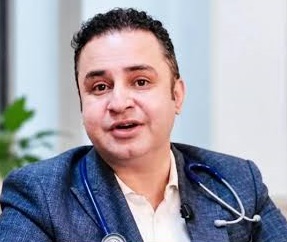
Dr. Sushil Sitaula
Consultant in Internal Medicine
Nepal Medical Council Registration No. 6973
Dr. Sushil Sitaula is a Consultant in Internal Medicine with a special interest in sexual health. He holds an MBBS and an MD in Internal Medicine and is registered with the Nepal Medical Council (Registration No. 6973).
Key Expertise
Frequently Asked Questions
What is PCR testing?
PCR amplifies tiny amounts of genetic material until detectable. It detects the DNA or RNA of organisms directly, making it the most sensitive method for diagnosing infections like chlamydia, gonorrhoea, herpes and HIV.
How does PCR differ from antibody tests?
PCR detects the organism itself; antibody tests detect the immune response. PCR works earlier in infection before antibodies appear, closing the window period that serology cannot avoid.
What specimens can be used for PCR?
Blood, urine, swabs from any site, tissue and cerebrospinal fluid can all be tested by PCR depending on the infection suspected. The correct specimen matches the exposure site.
How long does PCR testing take?
Most PCR tests return results within 24–72 hours. Rapid molecular platforms can return same-day results for some applications. Turnaround depends on the specific test.
Can PCR detect infections before symptoms appear?
Yes. PCR detects genetic material before the immune response produces antibodies or symptoms develop, making it the earliest reliable detection method for many infections.
Why might PCR stay positive after treatment?
Dead organism DNA can persist for weeks after successful treatment. This is why test-of-cure timing matters — too early and you detect remnants, too late and you miss reinfection.
Is PCR the same as NAAT?
NAAT is the broader category of nucleic acid amplification tests; PCR is the most common type. When people say NAAT for chlamydia or gonorrhoea, they usually mean PCR-based testing.
What is viral load PCR?
Quantitative PCR measures how much virus is present — reported as copies per millilitre. It monitors HIV treatment response and hepatitis therapy, confirming treatment is suppressing the virus.
How much does PCR testing cost?
Individual PCR tests range from roughly Rs. 1,200 for chlamydia to Rs. 5,000 for HIV RNA or hepatitis panels. Multiplex panels cost more but cover multiple infections. Prices confirmed at booking.
Is PCR testing confidential?
Yes, completely. All specimens, results and related care are strictly confidential with coded reporting available for sensitive tests.
Still have questions? Contact us or book an appointment for personalized guidance.
Related Services & Guides
PCR STD Testing
PCR testing for sexually transmitted infections.
Advanced PCR Testing
Advanced molecular testing services.
PCR Chlamydia Test
Molecular chlamydia testing.
PCR Gonorrhea Test
Molecular gonorrhea testing.
Herpes PCR Test
Lesion PCR for HSV detection.
HIV RNA PCR
Early HIV detection and viral load.
Molecular STD Lab
Specialist molecular testing laboratory.
Book Appointment
Schedule your test.
Related Health Guides
Medical Review & Sources
Medically reviewed by: Thamel Clinic Clinical Team (MBBS, MD)
Role: Laboratory medicine and infectious disease reviewers, Thamel Clinic, Kathmandu
Last reviewed: 2026-11-08
Reviewed against current WHO and CDC laboratory testing guidance. This is general medical information; a registered clinician must assess each patient before treatment.
References
- Sexually transmitted infections — WHO fact sheet — World Health Organization, 2024
- Sexually Transmitted Infections — CDC — Centers for Disease Control and Prevention, 2025
Medical information is general guidance only and does not replace an individual consultation. Treatment decisions are made after clinical assessment, including allergy and pregnancy review.
Medical Disclaimer
Important information about using this medical website
Educational Purpose Only
The information provided on this website, including all text, graphics, images, and other material, is for informational and educational purposes only. It is not intended to be a substitute for professional medical advice, diagnosis, or treatment.
No Doctor-Patient Relationship
Use of this website does not create a doctor-patient relationship. The information provided is not tailored to your specific medical condition or health needs. Always seek the advice of your physician or other qualified health provider with any questions you may have regarding a medical condition.
Emergency Situations
If you think you may have a medical emergency, call your doctor or emergency services immediately. In Nepal, call 102 for emergency services or go to the nearest hospital emergency room.
Emergency Contact Information:
National Emergency:
102 (Ambulance)
Our Clinic:
+977-9700682800 (WhatsApp available 24/7)
Bir Hospital Emergency:
+977-1-4412400
TU Teaching Hospital:
+977-1-4434320
Timeliness of Information
Medical information changes rapidly. While we strive to provide current and accurate information, we make no guarantees about the completeness, accuracy, reliability, suitability, or availability with respect to the website or the information contained on the website.
Professional Medical Advice Required
Never disregard professional medical advice or delay in seeking it because of something you have read on this website. If you have any specific questions about any medical matter, you should consult your doctor or other professional healthcare provider.
Treatment and Diagnosis
Do not use the information on this website to diagnose or treat any health problem or disease. The descriptions of treatments and medications provided are for general informational purposes only and do not constitute medical advice.
Limitation of Liability
In no event shall we be liable for any loss or damage arising from the use of this website or reliance on the information provided herein. This includes, but is not limited to, direct, indirect, incidental, punitive, and consequential damages.
Nepal-Specific Considerations
This website is operated in Nepal and is intended for users in Nepal. The medical information provided may not be applicable to healthcare systems outside Nepal. Always consult with local healthcare providers familiar with Nepal's healthcare system and regulations.
Last Updated: November 20, 2026 |Clinic: Thamel Clinic |Licensed: Registered