
IUI Fertility Treatment for Couples in Nepal — A Complete Guide Intrauterine Insemination: Process, Costs, Success Rates and When It Works
IUI (intrauterine insemination) is one of the most common first-line fertility treatments for couples. This guide explains how IUI works, who it helps, what the process involves, costs in Nepal, success rates, and how to decide if IUI is right for you.
Medically Reviewed Content
Reviewed by: Thamel Clinic Clinical Team (MBBS, MD)
Last medical review: November 8, 2026
Next scheduled review: May 8, 2027
This content follows evidence-based medical guidelines and is regularly updated to reflect current medical practices.
IUI Treatment in Nepal
- Growing availability — IUI is increasingly available at fertility clinics in Kathmandu and major cities, though access remains limited in rural areas.
- Cost compared to IVF — IUI costs significantly less than IVF in Nepal (roughly Rs. 15,000–40,000 per cycle vs Rs. 150,000+ for IVF), making it accessible to more couples.
- Cultural considerations — Fertility treatment carries stigma in Nepal; confidential clinics help couples access care without judgment.
- Donor sperm options — Sperm banks and donor programs are limited in Nepal but available through some fertility centers.
- Success rate awareness — IUI success rates per cycle are typically 10–20%, lower than IVF — couples should understand realistic expectations.
- Combined approaches — Many Nepalese fertility clinics combine IUI with ovulation induction medications to improve success rates.
What IUI Is and How It Helps Couples Conceive
Intrauterine insemination (IUI), also called artificial insemination, is a fertility treatment where prepared sperm is placed directly into the uterus around the time of ovulation. This bypasses the cervix and places a higher concentration of motile sperm closer to the egg, increasing the chances of fertilization. IUI is less invasive and less expensive than IVF, making it a common first treatment for many couples.
IUI is most effective for specific fertility challenges: unexplained infertility, mild male factor infertility (low sperm count or motility), cervical factor infertility (problems with cervical mucus or structure), ejaculatory disorders, and couples using donor sperm. It is less effective for severe male factor infertility, blocked fallopian tubes, or advanced maternal age — these situations may need IVF instead.
The IUI process involves several steps: ovarian stimulation (sometimes with medication to produce one or two eggs), monitoring to time ovulation, sperm preparation (washing and concentrating the sample), and the insemination procedure itself — a quick, usually painless process where a thin catheter places sperm into the uterus. The whole cycle takes about 2–4 weeks.
This page explains everything couples need to know about IUI in Nepal: how the procedure works, preparation steps, costs in Nepali Rupees, realistic success rates, how many cycles are typically tried, and when to consider IVF instead.
What IUI Is and How It Works
Intrauterine insemination is a fertility treatment where specially prepared sperm is placed directly into the uterus using a thin, flexible catheter. The procedure takes about 5–10 minutes, is usually painless (some women feel mild cramping), and does not require anaesthesia or sedation.
Before insemination, the sperm sample undergoes "washing" — a laboratory process that separates motile, healthy sperm from seminal fluid and debris. This concentrates the best sperm and removes substances that could cause uterine cramping. The prepared sample contains millions of motile sperm in a small volume.
IUI can be performed with a natural ovulation cycle (no medication) or with ovulation induction (medication to stimulate egg production). The timing is critical — insemination must occur within 24–48 hours of ovulation when the egg is released. Ultrasound monitoring ensures precise timing.
- Sperm placed directly into uterus via thin catheter
- Procedure takes 5–10 minutes, usually painless
- Sperm washing concentrates motile sperm
- Timed to ovulation — within 24–48 hours of egg release
- Can be done with natural cycle or ovulation induction
- No anaesthesia or sedation required
Direct Placement
Sperm is placed into the uterus, bypassing the cervix — closer to the egg.
Sperm Preparation
Washing concentrates the healthiest, most motile sperm for insemination.
Precise Timing
Ultrasound monitoring ensures insemination happens at the optimal time.
Minimal Discomfort
Quick procedure with mild cramping at most — no anaesthesia needed.
Who Should Consider IUI
IUI is an excellent first-line treatment for several fertility scenarios. Couples with unexplained infertility — where standard testing shows no clear cause — often benefit from IUI because it maximizes the chances of natural conception. It is also ideal for mild male factor infertility where sperm count or motility is slightly reduced.
Cervical factor infertility — problems with cervical mucus that prevent sperm from reaching the egg — is directly addressed by IUI, which bypasses the cervix entirely. Ejaculatory disorders, where the male partner cannot ejaculate normally, can also be treated with IUI using collected sperm.
IUI is less suitable for severe male factor infertility (very low count or no sperm), blocked fallopian tubes (sperm cannot reach the egg), advanced maternal age (usually over 38–40), or when multiple IUI cycles have failed. These situations typically need IVF.
- Unexplained infertility
- Mild male factor infertility (low count or motility)
- Cervical factor infertility
- Ejaculatory disorders
- Donor sperm insemination
- Couples wanting less invasive treatment before IVF
Unexplained Infertility
When tests show no clear cause, IUI maximizes natural conception chances.
Mild Male Factor
Slightly low count or motility — IUI concentrates the best sperm.
Cervical Issues
IUI bypasses the cervix, overcoming mucus or structural problems.
Ejaculatory Disorders
Collected sperm can be used when natural ejaculation is not possible.
The IUI Process Step by Step
The IUI process begins with a fertility evaluation — blood tests for hormones, ultrasound for ovarian reserve, semen analysis for the male partner, and assessment of fallopian tube patency. This determines if IUI is appropriate and identifies any issues that need treatment first.
Cycle monitoring starts with ovulation induction medication (if used) — typically clomiphene citrate or letrozole for 5 days, or injectable gonadotropins for more stimulation. Ultrasound monitors follicle development, and when a follicle reaches mature size, an hCG injection triggers ovulation.
Sperm is collected or thawed (for donor sperm) on the day of insemination and prepared in the laboratory. The woman attends the clinic for the insemination procedure — a speculum examination where the catheter places the prepared sperm into the uterus. She then rests briefly and can resume normal activities. A pregnancy test is done about two weeks later.
- Initial fertility evaluation and testing
- Ovulation induction medication (optional)
- Ultrasound monitoring of follicle development
- hCG trigger injection for ovulation timing
- Sperm collection and laboratory preparation
- Insemination procedure (5–10 minutes)
- Pregnancy test two weeks later
Evaluation
Hormone tests, ultrasound, semen analysis and tubal assessment before starting.
Stimulation
Medication helps ovaries produce 1–2 eggs — monitored by ultrasound.
Insemination
Prepared sperm placed into uterus on the day of ovulation.
Pregnancy Test
Beta-hCG blood test two weeks after insemination confirms pregnancy.
IUI Success Rates and Realistic Expectations
IUI success rates vary significantly based on age, diagnosis, and whether ovulation induction is used. For women under 35 with unexplained infertility or mild male factor, success rates per cycle are typically 10–20%. Rates decline with age — women over 40 may see rates of 5–10% per cycle.
Most fertility specialists recommend 3–4 IUI cycles before considering IVF. The cumulative success rate over multiple cycles is higher than the per-cycle rate — for example, three cycles at 15% each gives roughly a 39% cumulative chance of pregnancy.
Success depends on several factors: the woman’s age and ovarian reserve, the cause of infertility, whether ovulation induction is used, sperm quality, and tubal patency. A thorough fertility evaluation helps predict whether IUI is likely to succeed.
- Per-cycle success: 10–20% for women under 35
- Declines with age — lower for women over 40
- Most effective for unexplained and mild male factor infertility
- 3–4 cycles typically recommended before IVF
- Cumulative success over multiple cycles is higher
- Success depends on age, diagnosis and sperm quality
Per-Cycle Rate
10–20% per cycle for younger women — lower for older women.
Cumulative Rate
Multiple cycles improve overall chances — 3 cycles at 15% = ~39% cumulative.
When IUI Works Best
Unexplained infertility, mild male factor, cervical issues respond well.
When to Move to IVF
After 3–4 failed cycles or with severe infertility factors.
IUI Costs in Nepal — What to Expect
IUI is significantly more affordable than IVF in Nepal. A single IUI cycle typically costs Rs. 15,000–40,000 depending on the clinic, whether ovulation induction medication is used, and whether donor sperm is needed. This includes monitoring, the insemination procedure, and laboratory sperm preparation.
Costs breakdown: initial fertility evaluation (Rs. 5,000–15,000), ovulation induction medication (Rs. 2,000–10,000 depending on type), monitoring ultrasounds (Rs. 1,000–3,000 each), sperm preparation (Rs. 3,000–8,000), and the insemination procedure itself (Rs. 5,000–10,000).
Compared to IVF (Rs. 150,000–300,000+ per cycle in Nepal), IUI is accessible to many more couples. However, couples should budget for 3–4 cycles, making the total investment Rs. 50,000–150,000 — still far less than a single IVF cycle.
- Single IUI cycle: Rs. 15,000–40,000
- Fertility evaluation: Rs. 5,000–15,000
- Ovulation induction medication: Rs. 2,000–10,000
- Monitoring ultrasounds: Rs. 1,000–3,000 each
- Sperm preparation: Rs. 3,000–8,000
- 3–4 cycles typical: Rs. 50,000–150,000 total
Much Cheaper Than IVF
IUI costs a fraction of IVF — making fertility treatment accessible to more couples.
Itemized Costs
Evaluation, medication, monitoring and procedure are separate line items.
Budget for Multiple Cycles
Most couples need 3–4 cycles — plan accordingly.
No Hidden Fees
Transparent pricing at Thamel Clinic — know costs upfront.
Preparing for IUI — What Couples Should Know
Before starting IUI, both partners need fertility evaluation. The woman undergoes hormone testing (AMH, FSH, LH, estradiol), ultrasound for ovarian reserve and uterine assessment, and tubal patency testing (HSG or sonosalpingography). The man provides semen analysis — count, motility, morphology — possibly repeated if results are borderline.
Lifestyle factors affect success: maintaining healthy weight, avoiding smoking and excessive alcohol, managing stress, and timing intercourse appropriately. Folic acid supplementation is recommended for women trying to conceive. Male partners should avoid ejaculation for 2–3 days before the procedure to maintain sperm quality.
Emotionally, IUI can be stressful — the two-week wait between insemination and pregnancy test is anxiety-provoking. Support from partner, family or counselor helps. Many couples find that understanding the process and having realistic expectations reduces stress.
- Female evaluation: hormones, ultrasound, tubal patency
- Male evaluation: semen analysis
- Healthy weight and lifestyle optimization
- Avoid smoking and excessive alcohol
- Folic acid supplementation for women
- Male abstinence 2–3 days before procedure
- Emotional support during the two-week wait
Complete Evaluation
Both partners tested before starting — identifies any issues needing treatment first.
Lifestyle Optimization
Weight, smoking, alcohol and stress all affect fertility outcomes.
Sperm Quality
Male abstinence 2–3 days before IUI maintains optimal sperm parameters.
Emotional Preparation
The two-week wait is stressful — support systems help.
IUI Fertility Services and Costs (Kathmandu)
| Service | What It Includes | Cost (NPR) |
|---|---|---|
| Initial fertility consultation | Comprehensive evaluation and treatment planning | Rs. 800–1,500 |
| Female fertility evaluation | Hormones, ultrasound, tubal patency testing | Rs. 5,000–15,000 |
| Male fertility evaluation | Semen analysis and reproductive assessment | Rs. 1,500–3,000 |
| Ovulation induction medication | Clomiphene, letrozole or gonadotropins | Rs. 2,000–10,000 |
| Cycle monitoring | Ultrasound scans and hormone checks | Rs. 2,000–5,000 |
| Sperm preparation | Washing and concentration for insemination | Rs. 3,000–8,000 |
| IUI procedure | Insemination itself — 5–10 minutes | Rs. 5,000–10,000 |
| Complete IUI cycle | Medication, monitoring, preparation and procedure | Rs. 15,000–40,000 |
| Pregnancy test | Beta-hCG blood test two weeks post-IUI | Rs. 500–1,000 |
Indicative NPR pricing at Kathmandu fertility clinics. Costs vary by clinic and whether donor sperm or additional services are needed.
Why Couples Choose Thamel Clinic for IUI
- Experienced fertility team — Clinicians experienced in IUI and fertility treatment.
- Complete evaluation — Thorough fertility workup before starting treatment.
- Transparent pricing — Clear costs for each component of the IUI cycle.
- Natural cycle options — IUI can be done without medication for suitable candidates.
- Donor sperm access — Assistance with donor sperm programs where appropriate.
- Emotional support — Counseling and support throughout the fertility journey.
- IVF referral pathway — If IUI fails, seamless transition to IVF when needed.
- Confidential care — Private consultations without stigma.
Relevant Specialist Expertise
These clinicians provide care within their scope of practice at our clinic.
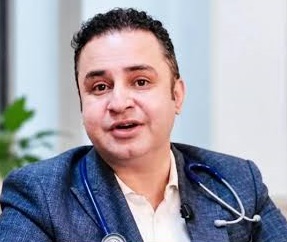
Dr. Sushil Sitaula
Consultant in Internal Medicine
Nepal Medical Council Registration No. 6973
Dr. Sushil Sitaula is a Consultant in Internal Medicine with a special interest in sexual health. He holds an MBBS and an MD in Internal Medicine and is registered with the Nepal Medical Council (Registration No. 6973).
Key Expertise
Frequently Asked Questions
What is IUI and how does it work?
IUI (intrauterine insemination) places prepared sperm directly into the uterus around ovulation. The sperm is washed and concentrated in the lab, then inserted via a thin catheter. The procedure takes 5–10 minutes and is usually painless.
How successful is IUI?
Per-cycle success rates are typically 10–20% for women under 35 with unexplained or mild male factor infertility. Rates decline with age. Most specialists recommend 3–4 cycles before considering IVF.
How much does IUI cost in Nepal?
A single IUI cycle costs Rs. 15,000–40,000 in Kathmandu, including medication, monitoring, sperm preparation and the procedure. Three to four cycles typically total Rs. 50,000–150,000 — much less than IVF.
Who should consider IUI?
Couples with unexplained infertility, mild male factor infertility, cervical factor problems, ejaculatory disorders, or those using donor sperm. IUI is less effective for severe male factor, blocked tubes, or advanced maternal age.
How many IUI cycles should we try?
Most specialists recommend 3–4 cycles. If pregnancy does not occur after this, IVF is usually the next step. The cumulative success rate over multiple cycles improves overall chances.
Is the IUI procedure painful?
Most women experience mild cramping at most — similar to a Pap smear. The procedure takes 5–10 minutes and does not require anaesthesia. Some women resume normal activities immediately.
Do we need fertility testing before IUI?
Yes — both partners need evaluation. Women need hormone tests, ultrasound and tubal patency assessment. Men need semen analysis. This determines if IUI is appropriate and identifies any issues needing treatment first.
Can IUI be done without medication?
Yes — IUI can be performed in a natural ovulation cycle without fertility drugs for suitable candidates. Ovulation induction medication improves success rates for some couples but is not always necessary.
What is the difference between IUI and IVF?
IUI places sperm in the uterus and relies on natural fertilization — less invasive and cheaper. IVF fertilizes eggs in the laboratory and transfers embryos — more expensive but more effective for severe infertility. IUI is usually tried first.
How long does the IUI process take?
One complete cycle takes about 2–4 weeks: evaluation, medication (if used), monitoring, insemination, and pregnancy test two weeks later. Most couples try multiple cycles over several months.
What are the side effects of IUI?
The procedure itself has minimal side effects — mild cramping is common. Ovulation induction medication can cause bloating, mood changes, and rarely ovarian hyperstimulation syndrome (OHSS). Multiple pregnancies are a risk with fertility medication.
Is IUI confidential in Nepal?
Yes — fertility consultations and treatment are confidential. Many couples prefer private clinics to avoid stigma. Results and treatment details are kept private.
Still have questions? Contact us or book an appointment for personalized guidance.
Related Services & Guides
IUI in Kathmandu
IUI treatment specifically at Kathmandu clinics.
IUI Cost in Kathmandu
Detailed cost breakdown for IUI cycles.
IUI Success Rate in Nepal
Realistic success rates and factors affecting outcomes.
IUI Fertility Clinic
Find a fertility clinic offering IUI in Kathmandu.
IUI for Male Infertility
IUI for male factor fertility issues.
STD Testing for Fertility
Infection screening before fertility treatment.
Couples Testing Package
Combined fertility and STD screening for couples.
Book an Appointment
Schedule a fertility consultation.
Related Health Guides
Medical Review & Sources
Medically reviewed by: Thamel Clinic Clinical Team (MBBS, MD)
Role: Fertility and sexual health clinical reviewers, Thamel Clinic, Kathmandu
Last reviewed: 2026-11-08
Reviewed against current WHO, ASRM and Nepal fertility guidelines. This is general medical information; a registered clinician must assess each patient before treatment.
References
- Infertility — WHO fact sheet — World Health Organization, 2024
- Infertility — NHS condition guide — NHS, 2025
- Intrauterine insemination (IUI) — NHS — NHS, 2025
Medical information is general guidance only and does not replace an individual consultation. Treatment decisions are made after clinical assessment, including allergy and pregnancy review.
Medical Disclaimer
Important information about using this medical website
Educational Purpose Only
The information provided on this website, including all text, graphics, images, and other material, is for informational and educational purposes only. It is not intended to be a substitute for professional medical advice, diagnosis, or treatment.
No Doctor-Patient Relationship
Use of this website does not create a doctor-patient relationship. The information provided is not tailored to your specific medical condition or health needs. Always seek the advice of your physician or other qualified health provider with any questions you may have regarding a medical condition.
Emergency Situations
If you think you may have a medical emergency, call your doctor or emergency services immediately. In Nepal, call 102 for emergency services or go to the nearest hospital emergency room.
Emergency Contact Information:
National Emergency:
102 (Ambulance)
Our Clinic:
+977-9700682800 (WhatsApp available 24/7)
Bir Hospital Emergency:
+977-1-4412400
TU Teaching Hospital:
+977-1-4434320
Timeliness of Information
Medical information changes rapidly. While we strive to provide current and accurate information, we make no guarantees about the completeness, accuracy, reliability, suitability, or availability with respect to the website or the information contained on the website.
Professional Medical Advice Required
Never disregard professional medical advice or delay in seeking it because of something you have read on this website. If you have any specific questions about any medical matter, you should consult your doctor or other professional healthcare provider.
Treatment and Diagnosis
Do not use the information on this website to diagnose or treat any health problem or disease. The descriptions of treatments and medications provided are for general informational purposes only and do not constitute medical advice.
Limitation of Liability
In no event shall we be liable for any loss or damage arising from the use of this website or reliance on the information provided herein. This includes, but is not limited to, direct, indirect, incidental, punitive, and consequential damages.
Nepal-Specific Considerations
This website is operated in Nepal and is intended for users in Nepal. The medical information provided may not be applicable to healthcare systems outside Nepal. Always consult with local healthcare providers familiar with Nepal's healthcare system and regulations.
Last Updated: November 20, 2026 |Clinic: Thamel Clinic |Licensed: Registered