
CBT Addiction Recovery Hub in Kathmandu Evidence-based cognitive behavioural therapy for sexual addiction, compulsive behaviour and related recovery challenges
Cognitive behavioural therapy is the most evidence-supported psychological approach for addiction recovery. At Thamel Clinic, Kathmandu, the CBT addiction recovery hub helps patients understand triggers, restructure harmful thought patterns, and build sustainable coping skills in a confidential setting.
Medically Reviewed Content
Reviewed by: Thamel Clinic Clinical Team (MBBS, MD)
Last medical review: November 8, 2026
Next scheduled review: May 8, 2027
This content follows evidence-based medical guidelines and is regularly updated to reflect current medical practices.
When to Seek Urgent Help
- If you are having thoughts of self-harm or suicide, seek immediate emergency care or contact a crisis line — do not wait for a therapy appointment.
- Acute withdrawal symptoms from substances such as alcohol can be dangerous — seek medical supervision for detox.
- If addiction has led to dangerous sexual behaviour or exposure to HIV, seek testing and post-exposure prophylaxis within 72 hours.
- Co-occurring severe depression or psychosis requires urgent psychiatric evaluation alongside addiction treatment.
Addiction Recovery in Nepal
- Growing awareness — Nepal has seen increasing recognition of behavioural addictions, particularly pornography-related concerns among young men, though treatment-seeking remains low due to stigma.
- Mental health gap — Nepal has a significant shortage of clinical psychologists and addiction specialists, especially outside Kathmandu Valley, making specialised CBT services concentrated in the capital.
- Confidentiality concerns — Fear of social judgement prevents many Nepalis from seeking help for addiction; private clinics in Kathmandu offer discretion that public hospitals cannot always match.
- Substance context — While alcohol is the most common substance issue in Nepal, cannabis and pharmaceutical misuse are rising, and behavioural addictions often co-occur with these or with mood disorders.
- Cultural factors — Strong cultural taboos around sexuality and pornography mean many patients struggle alone for years before seeking professional help.
Overview
Addiction is a complex condition where compulsive behaviour continues despite negative consequences. While most public discussion focuses on substance use disorders such as alcohol and drugs, behavioural addictions — including compulsive sexual behaviour, pornography dependency and other internet-mediated compulsions — follow similar psychological mechanisms. The brain reward systems, craving cycles and loss-of-control patterns are comparable even though no external substance is involved.
Cognitive behavioural therapy (CBT) is the psychological treatment with the strongest evidence base for addiction. CBT does not simply tell patients to stop; it helps them understand why the behaviour happens, identify the situations and emotions that trigger it, challenge the beliefs that sustain it, and build concrete alternative responses. For sexual and behavioural addictions, CBT is typically combined with psychoeducation, relapse-prevention planning and sometimes medical or psychiatric support for co-occurring conditions.
Recovery is rarely linear. Most people attempting to change long-standing compulsive patterns experience setbacks, and the recovery framework treats relapse as a learning opportunity rather than a failure. The goal is not perfection but progressive improvement in control, reduced harm, and rebuilding of the relationships, work and self-esteem that addiction has damaged. Honest, non-judgmental care is essential because shame is one of the strongest drivers of continued compulsive behaviour.
This page explains what CBT for addiction involves, which behavioural addictions are addressed, how the recovery process works at Thamel Clinic, what it costs in Kathmandu, and when professional help is needed. Whether the concern is pornography use, compulsive sexual behaviour, or a related pattern, the same evidence-based framework applies: understand the mechanism, change the pattern, and build a sustainable life around it.
Understanding Addiction: Beyond Substance Use
Addiction is defined not by the substance or behaviour itself but by the pattern of compulsive engagement despite harm. The key features include loss of control over the behaviour, continued use despite negative consequences, and a cycle of craving and relief that becomes increasingly difficult to interrupt. For behavioural addictions like compulsive sexual behaviour or pornography use, the "substance" is the behaviour itself, but the neurobiological reward pathways involved are similar to those in substance use disorders.
Many people develop these patterns gradually. What begins as occasional use becomes habitual, then compulsive, then something that feels impossible to stop without help. Triggers such as stress, loneliness, boredom, relationship conflict or low self-esteem drive the behaviour, and temporary relief reinforces the cycle. Understanding this mechanism is the first step in treatment because it shifts the focus from willpower failure to a learnable pattern that can be changed.
- Addiction is a pattern of compulsive behaviour despite negative consequences
- Behavioural addictions involve the same reward pathways as substance use disorders
- Triggers include stress, loneliness, boredom and relationship difficulties
- The cycle of craving and temporary relief becomes self-reinforcing over time
- Shame and secrecy often worsen the pattern rather than resolve it
Compulsive sexual behaviour
Persistent and escalating sexual thoughts or behaviours that feel out of control and cause distress or harm.
Pornography dependency
Escalating pornography use that interferes with daily life, relationships or work despite attempts to reduce.
Co-occurring conditions
Addiction often coexists with depression, anxiety, trauma or other mental health conditions that need integrated treatment.
The learning model
Addiction is learned behaviour that can be unlearned through structured psychological intervention.
How CBT Works for Addiction Recovery
CBT for addiction is structured, goal-oriented therapy that typically runs over 8-16 sessions. The first phase involves assessment and psychoeducation: understanding the specific pattern, identifying triggers, and mapping the cycle of thoughts, feelings and behaviours that maintain the addiction. Patients learn to recognise early warning signs and understand that cravings are temporary states that pass with time.
The second phase focuses on cognitive restructuring: challenging the beliefs that sustain the behaviour. Common beliefs include "I cannot control this", "I deserve this", or "one slip means I have failed completely". The therapist helps patients develop more accurate, helpful thinking. The third phase builds behavioural skills: alternative coping strategies, urge-surfing techniques, environmental modifications, and relapse-prevention planning for high-risk situations.
- Assessment phase: mapping triggers, thoughts and behavioural patterns
- Psychoeducation about addiction mechanisms and craving cycles
- Cognitive restructuring of beliefs that sustain compulsive behaviour
- Behavioural skills training for urge management and alternative responses
- Relapse prevention planning for high-risk situations and people
- Ongoing review and adjustment of coping strategies
Trigger mapping
Identifying the specific situations, emotions and thoughts that precede compulsive behaviour.
Thought challenging
Examining and replacing the beliefs that make the behaviour feel inevitable or justified.
Coping skills
Learning practical alternatives to the addictive behaviour for managing urges and stress.
Relapse prevention
Developing a concrete plan for high-risk situations before they occur.
The Recovery Process: What to Expect
Recovery is a process, not an event. Most patients see meaningful change within the first few sessions as they gain insight into their patterns, but sustained recovery typically takes months of consistent effort. Progress is not linear — setbacks are normal and expected. The therapeutic approach treats each setback as data about what triggers remain unaddressed, not as evidence of personal failure.
Recovery also involves rebuilding what addiction has damaged. This may include repairing relationships, restoring work performance, rebuilding self-esteem and developing healthier sources of pleasure and connection. Some patients benefit from couples counselling to address relationship strain caused by the addiction. The clinic provides ongoing support and can coordinate with other services when needed.
- Initial phase: insight and pattern recognition (sessions 1-4)
- Middle phase: skill building and behavioural change (sessions 5-12)
- Later phase: consolidation and relapse prevention (sessions 13-16)
- Setbacks are normal and treated as learning opportunities
- Relationship repair and rebuilding damaged areas of life
- Ongoing support available after formal therapy ends
Non-linear progress
Recovery involves ups and downs; setbacks are expected and do not erase progress made.
Skill acquisition
Patients learn concrete tools they can use independently long after therapy ends.
Relationship repair
Therapy addresses the damage addiction has caused to partnerships and family relationships.
Self-directed recovery
The goal is to equip patients with skills for lifelong self-management, not dependence on therapy.
When to Seek Professional Help
Many people struggle with compulsive behaviours for years before seeking help, often because they believe they should be able to control it themselves or fear judgement. Professional help is recommended when the behaviour feels out of control, when attempts to stop have failed repeatedly, when the behaviour is causing problems in relationships, work or health, or when there is significant distress or shame about the pattern.
It is also important to seek help if the behaviour has led to risky sexual activity, financial problems, legal issues, or if there are co-occurring mental health symptoms such as depression, anxiety or suicidal thoughts. Early intervention is always better than waiting for the pattern to become entrenched. A single consultation can help clarify whether the behaviour is problematic and what treatment options are appropriate.
- Behaviour feels out of control despite attempts to stop
- Causing problems in relationships, work, finances or health
- Significant distress, shame or anxiety about the behaviour
- Leading to risky sexual activity or other harmful consequences
- Co-occurring depression, anxiety or other mental health concerns
- Failed attempts at self-directed change
Loss of control
If you cannot stop despite wanting to, professional support is the most effective path forward.
Relationship damage
When addiction strains partnerships or family relationships, therapy helps repair the damage.
Mental health overlap
Depression, anxiety and trauma often coexist with addiction and need integrated treatment.
Early intervention
The earlier help is sought, the easier recovery is — do not wait for rock bottom.
Costs and Confidentiality in Kathmandu
Addiction recovery counselling at Thamel Clinic is priced accessibly for the Kathmandu market. Initial consultations typically cost around Rs. 450, with subsequent CBT sessions priced per session depending on duration and therapist experience. Packages of multiple sessions may be available at reduced rates. All fees are discussed transparently before treatment begins.
Confidentiality is absolute. What is discussed in therapy stays between patient and therapist except in rare circumstances where there is risk of harm to self or others. This is especially important for addiction and sexual health concerns where stigma is a major barrier to seeking help. The clinic provides a safe, non-judgmental space where patients can discuss even their most sensitive concerns openly.
- Initial consultation around Rs. 450
- CBT sessions priced per session with package options available
- All fees quoted transparently before treatment begins
- Strict confidentiality — nothing shared without consent except safety concerns
- Non-judgmental, trauma-informed therapeutic environment
Transparent pricing
All consultation and therapy fees are quoted upfront so patients can plan without surprises.
Absolute confidentiality
Therapy sessions are completely private; nothing is shared without patient consent.
Non-judgmental care
Therapists are trained to work with addiction and sexual health concerns without shame or criticism.
Flexible scheduling
Appointments can be arranged around work and personal commitments, including some evening slots.
Addiction Recovery Services and Pricing
| Service | What It Includes | Cost (NPR) |
|---|---|---|
| Initial consultation | Assessment of addiction patterns and treatment planning | Rs. 450 |
| CBT session (50 min) | Individual cognitive behavioural therapy session | Rs. 1,500–2,500 |
| CBT package (8 sessions) | Structured CBT programme for addiction recovery | Rs. 10,000–16,000 |
| Couples counselling | Joint sessions for partners affected by addiction | Rs. 2,000–3,000 |
| Psychiatric evaluation | Assessment for co-occurring mental health conditions | Rs. 800–1,500 |
| Follow-up support | Ongoing check-ins after formal therapy ends | Rs. 450–800 |
| Telemedicine session | Remote CBT session for patients outside Kathmandu | Rs. 1,200–2,000 |
Prices are indicative and may vary by therapist and session duration. Confirm current rates when booking.
Why Patients Choose Thamel Clinic for Addiction Recovery
- Evidence-based CBT — Structured cognitive behavioural therapy with the strongest research support for addiction recovery.
- Sexual health expertise — Specialised understanding of behavioural addictions including compulsive sexual behaviour and pornography dependency.
- Absolute confidentiality — Private therapy rooms and strict confidentiality protect patients from stigma and judgement.
- Experienced therapists — Clinicians trained in addiction, trauma and sexual health with years of Kathmandu experience.
- Holistic approach — Addresses co-occurring mental health conditions, relationship issues and lifestyle factors together.
- Flexible access — In-person and telemedicine options for patients inside and outside Kathmandu.
- Non-judgmental environment — Safe space where patients can discuss sensitive concerns openly without shame.
Relevant Specialist Expertise
These clinicians provide care within their scope of practice at our clinic.
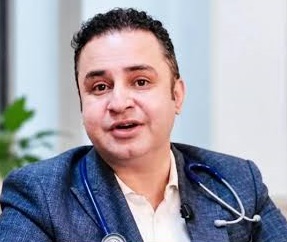
Dr. Sushil Sitaula
Consultant in Internal Medicine
Nepal Medical Council Registration No. 6973
Dr. Sushil Sitaula is a Consultant in Internal Medicine with a special interest in sexual health. He holds an MBBS and an MD in Internal Medicine and is registered with the Nepal Medical Council (Registration No. 6973).
Key Expertise
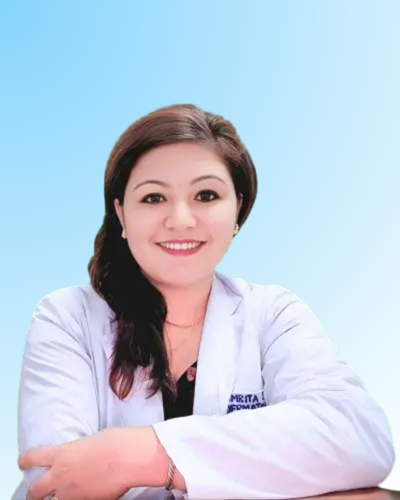
Dr. Amrita Shrestha
Consultant Dermatologist and Venereologist
Dr. Amrita Shrestha is a Consultant Dermatologist and Venereologist and an MD Dermatology Gold Medalist from Tribhuvan University, Institute of Medicine, Maharajgunj Medical Campus. Her clinical work spans general and clinical dermatology, sexually transmitted infections, HIV-associated skin conditions, leprosy and neglected tropical diseases, and complex dermatological emergencies.
Key Expertise
Frequently Asked Questions
What is CBT for addiction recovery?
CBT is a structured psychological therapy that helps patients understand the triggers and thought patterns driving compulsive behaviour, learn coping skills to manage urges, and develop relapse-prevention strategies. It is the most evidence-supported psychological treatment for addiction.
Can CBT help with pornography addiction?
Yes. CBT is effective for pornography dependency and compulsive sexual behaviour. Treatment focuses on identifying triggers, challenging beliefs that sustain the behaviour, building alternative coping strategies, and creating a relapse-prevention plan. Most patients see meaningful improvement within 8-16 sessions.
How long does addiction recovery take?
There is no fixed timeline. Most patients see initial insight within the first few sessions, but sustained recovery typically takes months of consistent effort. Setbacks are normal and treated as learning opportunities. Long-term recovery is a lifelong process of self-management.
Is addiction recovery counselling confidential?
Yes. All therapy sessions are completely confidential. Nothing discussed in therapy is shared with anyone without your consent, except in rare circumstances where there is immediate risk of harm to yourself or others. This is especially important for sensitive concerns like sexual addiction.
What is the difference between sexual addiction and high libido?
Sexual addiction involves compulsive behaviour that feels out of control, causes distress or harm, and continues despite negative consequences. High libido is a normal variation in sexual desire without loss of control or harm. A clinician can help distinguish between normal variation and problematic compulsive behaviour.
Do I need medication for addiction recovery?
For behavioural addictions like compulsive sexual behaviour or pornography use, medication is usually not the primary treatment. CBT and behavioural strategies are the main approach. However, if there are co-occurring conditions like depression or anxiety, medication may be recommended alongside therapy.
What if I relapse during recovery?
Relapse is a normal part of recovery for most people. The therapeutic approach treats setbacks as learning opportunities rather than failures. You will analyse what triggered the relapse, adjust your coping strategies, and continue the recovery process. One setback does not erase progress.
How much does addiction recovery counselling cost?
Initial consultations cost around Rs. 450. CBT sessions are priced per session, typically Rs. 1,500-2,500 depending on duration and therapist. Packages of 8 sessions range from Rs. 10,000-16,000. Telemedicine sessions for remote patients cost Rs. 1,200-2,000.
Can couples get addiction recovery counselling together?
Yes. Couples counselling is available for partners where addiction has affected the relationship. Joint sessions help address communication issues, rebuild trust, and develop strategies for supporting recovery together. This is often valuable when addiction has caused relationship strain.
Is telemedicine available for addiction recovery?
Yes. For patients outside Kathmandu or those who prefer remote sessions, telemedicine CBT is available. Sessions are conducted securely by video call and follow the same evidence-based protocols as in-person therapy. This improves access for patients in other parts of Nepal.
Still have questions? Contact us or book an appointment for personalized guidance.
Related Services & Guides
CBT Counselling
Learn about cognitive behavioural therapy services.
Sexology Services
Comprehensive sexual health and counselling services.
Addiction Recovery Counselling
Sexologist-led addiction recovery support.
Compulsive Sexual Behaviour
Treatment for compulsive sexual patterns.
Porn Addiction Hub
Specialised support for pornography dependency.
Mental & Sexual Balance
Integrated mental health and sexual wellness care.
Doctor Consultation
Book a confidential consultation at Thamel Clinic.
Book Appointment
Schedule your addiction recovery session.
Related Health Guides
Medical Review & Sources
Medically reviewed by: Thamel Clinic Clinical Team (MBBS, MD)
Role: Sexual health and addiction medicine reviewers, Thamel Clinic, Kathmandu
Last reviewed: 2026-11-08
Reviewed against current WHO and APA guidance on behavioural addictions and CBT. This is general medical information; a registered clinician must assess each patient before treatment.
Medical information is general guidance only and does not replace an individual consultation. Treatment decisions are made after clinical assessment, including allergy and pregnancy review.
Medical Disclaimer
Important information about using this medical website
Educational Purpose Only
The information provided on this website, including all text, graphics, images, and other material, is for informational and educational purposes only. It is not intended to be a substitute for professional medical advice, diagnosis, or treatment.
No Doctor-Patient Relationship
Use of this website does not create a doctor-patient relationship. The information provided is not tailored to your specific medical condition or health needs. Always seek the advice of your physician or other qualified health provider with any questions you may have regarding a medical condition.
Emergency Situations
If you think you may have a medical emergency, call your doctor or emergency services immediately. In Nepal, call 102 for emergency services or go to the nearest hospital emergency room.
Emergency Contact Information:
National Emergency:
102 (Ambulance)
Our Clinic:
+977-9700682800 (WhatsApp available 24/7)
Bir Hospital Emergency:
+977-1-4412400
TU Teaching Hospital:
+977-1-4434320
Timeliness of Information
Medical information changes rapidly. While we strive to provide current and accurate information, we make no guarantees about the completeness, accuracy, reliability, suitability, or availability with respect to the website or the information contained on the website.
Professional Medical Advice Required
Never disregard professional medical advice or delay in seeking it because of something you have read on this website. If you have any specific questions about any medical matter, you should consult your doctor or other professional healthcare provider.
Treatment and Diagnosis
Do not use the information on this website to diagnose or treat any health problem or disease. The descriptions of treatments and medications provided are for general informational purposes only and do not constitute medical advice.
Limitation of Liability
In no event shall we be liable for any loss or damage arising from the use of this website or reliance on the information provided herein. This includes, but is not limited to, direct, indirect, incidental, punitive, and consequential damages.
Nepal-Specific Considerations
This website is operated in Nepal and is intended for users in Nepal. The medical information provided may not be applicable to healthcare systems outside Nepal. Always consult with local healthcare providers familiar with Nepal's healthcare system and regulations.
Last Updated: November 20, 2026 |Clinic: Thamel Clinic |Licensed: Registered