
Sexologist for Sexual Weakness in Kathmandu — Root Cause Care Low Libido, Fatigue and Performance Problems — Properly Diagnosed
Sexual weakness in men — described as low desire, tiredness, weak erections or quick exhaustion during sex — is a real medical concern with identifiable causes. Thamel Clinic provides confidential evaluation and treatment in Kathmandu.
Medically Reviewed Content
Reviewed by: Thamel Clinic Clinical Team (MBBS, MD)
Last medical review: November 8, 2026
Next scheduled review: May 8, 2027
This content follows evidence-based medical guidelines and is regularly updated to reflect current medical practices.
When to Seek Urgent Care
- Erectile dysfunction that develops suddenly with chest pain, shortness of breath or dizziness may indicate cardiovascular problems — seek urgent care.
- Testicular pain, swelling or lumps need prompt medical evaluation — do not delay.
- Sudden loss of sexual desire with other symptoms (fatigue, weight changes, mood changes) may indicate hormonal or medical problems requiring assessment.
- Never combine ED medications with nitrates or certain heart medications — this can be dangerous. Always disclose all medications to your doctor.
Sexual Weakness in the Nepali Context
- High demand, low access — sexual health concerns are common but specialist care remains concentrated in Kathmandu; many men turn to unregulated products first.
- Herbal remedy culture — a large market of unproven ayurvedic and herbal products promises sexual strength; some contain undeclared pharmaceuticals that are unsafe.
- Stigma and silence — discussing sexual weakness openly remains difficult, so many men suffer for years before seeking professional care.
- Work and stress burden — long working hours, migration-related stress and economic pressure contribute to fatigue-related sexual complaints among Nepali men.
- Diabetes and metabolic disease — rising rates of type 2 diabetes and obesity in Nepal are major drivers of erectile dysfunction and low libido.
- Confidential care matters — discreet consultation settings like Thamel Clinic encourage men to seek evaluation earlier rather than self-treating.
Understanding Sexual Weakness in Men
Sexual weakness is a term commonly used in South Asia to describe a cluster of concerns: reduced sexual desire, difficulty achieving or maintaining erections, ejaculating too quickly, feeling physically drained after sex, or a general sense of diminished sexual capacity. These complaints are real and common, but the term is vague — it can point to hormonal problems, cardiovascular disease, psychological distress, relationship issues, sleep problems or simply unrealistic expectations.
The medical evaluation of sexual weakness starts by separating the physical from the psychological. Low testosterone, poorly controlled diabetes, thyroid disorders, depression, anxiety, chronic stress, sleep apnea and certain medications all contribute. Lifestyle factors — smoking, alcohol, sedentary habits, poor diet and chronic fatigue — also play a major role. Many men assume sexual weakness is inevitable with age; in reality, treatable causes are found in a large proportion of cases.
In Nepal, sexual weakness is often discussed only in whispers, leading men to self-medicate with unproven herbal products or delay seeking care for years. The consequences extend beyond the bedroom: untreated erectile dysfunction can signal cardiovascular disease, and chronic low desire often accompanies depression or relationship strain. Proper assessment protects both sexual and general health.
At Thamel Clinic, men with sexual weakness receive a structured evaluation — history, physical examination, targeted blood tests where indicated, and honest discussion about expectations. Treatment may involve lifestyle modification, management of underlying conditions, psychological counseling, or medication where appropriate. This page explains what sexual weakness means medically, its causes, how it is evaluated and what realistic treatment options exist.
What Sexual Weakness Actually Means Medically
The term sexual weakness does not correspond to a single diagnosis. In clinical practice it covers several distinct problems that men report with overlapping language. Low libido — reduced interest in sex — may reflect low testosterone, depression, relationship dissatisfaction or medication side effects. Erectile dysfunction — difficulty achieving or maintaining an erection sufficient for intercourse — has vascular, neurological, hormonal and psychological causes.
Premature ejaculation — ejaculation sooner than desired — is common and often anxiety-driven, though it can also reflect hypersensitivity or inflammation. Reduced ejaculate volume or weak ejaculation force may relate to prostate issues, hormonal changes or age. Feeling physically exhausted during or after sex is usually a reflection of general fitness, sleep quality, cardiovascular health or anxiety.
Arousal disorder — difficulty becoming physically aroused despite desire — points toward vascular or neurological causes. The key point is that sexual weakness is a symptom description, not a diagnosis. Identifying which specific problem a man has is the first step toward effective treatment.
- Low libido — reduced desire, often hormonal, psychological or medication-related.
- Erectile dysfunction — vascular, neurological, hormonal or psychological causes.
- Premature ejaculation — commonly anxiety-related, sometimes hypersensitivity.
- Reduced ejaculate or weak ejaculation — may reflect prostate or hormonal issues.
- Fatigue during or after sex — usually general health, sleep or fitness related.
- Arousal difficulty — points toward vascular or neurological causes.
Low desire
Reduced interest in sex — check testosterone, mood, medications and relationship factors.
Erection problems
Difficulty achieving or maintaining erections — evaluate vascular, hormonal and psychological causes.
Timing issues
Ejaculating too fast or too slowly — often anxiety-driven and treatable.
Energy complaints
Feeling drained during or after sex — usually reflects sleep, fitness or general health.
Common Causes of Sexual Weakness
Physical causes are extensive. Low testosterone (hypogonadism) reduces libido and can affect erectile function. Diabetes damages blood vessels and nerves, making erectile dysfunction a common early complication. Cardiovascular disease restricts blood flow to the penis. Thyroid disorders, prolactin abnormalities and certain medications — antidepressants, blood pressure drugs, some pain medications — also contribute.
Psychological causes are equally important and often overlooked. Performance anxiety creates a self-fulfilling cycle: worry about failure produces failure, which produces more worry. Depression suppresses libido directly. Chronic stress elevates cortisol and reduces testosterone. Relationship problems — unresolved conflict, poor communication, loss of attraction — manifest as sexual complaints.
Lifestyle factors deserve honest attention. Smoking accelerates vascular damage. Excessive alcohol impairs erectile function acutely and chronically. Sedentary lifestyle, obesity and poor sleep reduce testosterone and overall energy. Long working hours and chronic fatigue — common in Kathmandu's workforce — produce exactly the complaints men describe as sexual weakness.
- Low testosterone — reduces libido and may affect erectile function.
- Diabetes — damages blood vessels and nerves; erectile dysfunction is a common early sign.
- Cardiovascular disease — restricted blood flow is a leading physical cause of ED.
- Medications — antidepressants, antihypertensives and others can affect sexual function.
- Psychological — performance anxiety, depression and chronic stress are major contributors.
- Lifestyle — smoking, alcohol, obesity, poor sleep and sedentary habits all play a role.
Hormonal
Low testosterone, thyroid disorders and prolactin problems reduce desire and function.
Medical conditions
Diabetes, heart disease, hypertension and neurological conditions affect sexual function.
Psychological
Anxiety, depression, stress and relationship issues — often the primary drivers.
Lifestyle
Smoking, alcohol, obesity, poor sleep and lack of exercise — all modifiable factors.
How Sexual Weakness Is Evaluated
A proper evaluation begins with a detailed history — not just sexual symptoms but overall health, medications, sleep, mood, exercise and relationship context. The doctor asks specific questions about the nature of the problem: is it desire, erection, ejaculation or satisfaction? When did it start? Is it situational or consistent? These details narrow the differential diagnosis significantly.
Physical examination assesses general health indicators — blood pressure, BMI, signs of hormonal problems, genital examination where relevant. Targeted blood tests may include testosterone levels (morning sample), thyroid function, blood glucose or HbA1c for diabetes, lipid profile and sometimes prolactin. These tests are ordered based on the history, not routinely for everyone.
Psychological screening is part of the evaluation — validated questionnaires for depression, anxiety and sexual function help identify treatable psychological contributors. The evaluation is confidential and non-judgmental; men are often relieved to find that their concerns have clear medical explanations rather than being dismissed as weakness or aging.
- Detailed history covering sexual symptoms, general health, medications and lifestyle.
- Physical examination including blood pressure, BMI and targeted genital assessment.
- Blood tests as indicated — testosterone, thyroid, glucose/HbA1c, lipids, prolactin.
- Psychological screening for depression, anxiety and sexual function concerns.
- Everything is confidential — no judgment, just honest medical assessment.
History taking
Detailed questions about symptoms, onset, pattern and contributing factors.
Physical exam
Assessment of overall health, blood pressure and targeted genital examination.
Lab tests
Testosterone, thyroid, diabetes screening and other tests based on clinical suspicion.
Psychological screen
Questionnaires for depression, anxiety and sexual function to identify treatable causes.
Treatment Options for Sexual Weakness
Treatment depends entirely on the identified cause. Hormonal problems may respond to testosterone replacement when genuinely indicated — but only after proper diagnosis, as inappropriate testosterone use carries risks. Diabetes and cardiovascular disease are managed with their own treatments, which often improve sexual function as a secondary benefit.
For erectile dysfunction, phosphodiesterase-5 inhibitors (sildenafil, tadalafil) are effective for many men when used appropriately — but they treat the symptom, not the cause. Psychological causes respond to counseling, sex therapy and addressing underlying anxiety or depression. Lifestyle changes — quitting smoking, reducing alcohol, exercising, improving sleep and managing weight — produce measurable improvements in sexual function.
For premature ejaculation, behavioral techniques, topical anesthetics and certain medications can help. Couples counseling addresses relationship factors. The honest approach is that sexual weakness rarely has a single cause — effective treatment usually combines medical management of identified problems with lifestyle and psychological support.
- Hormonal issues — testosterone replacement only when genuinely indicated by testing.
- Erectile dysfunction — PDE5 inhibitors help symptoms; underlying causes need treatment.
- Psychological — counseling and sex therapy effective for anxiety and relationship issues.
- Lifestyle — exercise, sleep, weight management and reducing alcohol improve function.
- Premature ejaculation — behavioral techniques, topical agents and medication options.
- Underlying disease — treating diabetes, hypertension and heart disease improves sexual health.
Medical treatment
Targeted treatment of identified causes — hormones, diabetes, cardiovascular disease.
ED medications
PDE5 inhibitors like sildenafil help erectile function when appropriate.
Counseling
Sex therapy and psychological support for anxiety, depression and relationship issues.
Lifestyle program
Exercise, sleep optimization, weight management and substance reduction.
Treatment Access and Costs in Kathmandu
Sexual health consultation in Kathmandu is available through private clinics, urology departments and specialized sexology services. Thamel Clinic provides confidential male sexual health evaluation with transparent pricing — consultation typically Rs. 500–1,500, with additional costs for blood tests and medications as needed.
The advantage of a dedicated sexual health clinic is the focus: the consultation is entirely about sexual concerns, with providers experienced in the sensitive nature of these discussions. Men who feel uncomfortable discussing sexual problems with a general practitioner often find the specialized setting more comfortable.
Medication costs for erectile dysfunction treatments are modest in Nepal — generic sildenafil is widely available. However, self-medication without evaluation is risky: PDE5 inhibitors are unsafe for men with certain heart conditions, and underlying causes of sexual dysfunction need proper diagnosis. A proper evaluation before treatment protects your health.
- Consultation typically Rs. 500–1,500 at private sexual health clinics in Kathmandu.
- Blood test panels add Rs. 1,500–4,000 depending on what is needed.
- Generic ED medications are affordable and widely available in Nepal.
- Self-medication without evaluation is risky — especially with heart conditions.
- Dedicated sexual health clinics offer more comfortable, focused consultations.
Consultation
Confidential evaluation with a sexual health specialist — Rs. 500–1,500.
Lab tests
Targeted blood tests based on clinical suspicion — Rs. 1,500–4,000.
Medication
ED treatments and hormonal therapy where indicated — costs vary by medication.
Counseling
Sex therapy and psychological support available as part of treatment.
Myths vs Facts About Sexual Weakness
Several persistent myths surround sexual weakness in Nepal and South Asia. The most common is that sexual weakness is inevitable with age — false; while some decline is normal, significant problems usually indicate treatable causes. Another myth is that herbal products can cure sexual weakness — most are unproven, some contain undeclared pharmaceuticals, and none replace proper diagnosis.
The belief that sexual weakness means a man is less masculine or weak is harmful and inaccurate — it is a medical symptom like any other, with physical and psychological causes. Another misconception is that sexual weakness only affects older men — young men experience it too, often from anxiety, stress or lifestyle factors.
The most dangerous myth is that sexual weakness should be ignored or endured. Untreated erectile dysfunction can be an early warning sign of cardiovascular disease. Low libido may signal depression or hormonal problems. Seeking evaluation is not a sign of weakness — it is the responsible thing to do.
- Myth: Sexual weakness is inevitable with age — Fact: significant problems usually have treatable causes.
- Myth: Herbal products cure sexual weakness — Fact: most are unproven; some contain undeclared drugs.
- Myth: Sexual weakness means you are less of a man — Fact: it is a medical symptom with real causes.
- Myth: Only older men experience it — Fact: young men experience it from anxiety, stress or lifestyle.
- Myth: You should just endure it — Fact: ED can signal heart disease; evaluation protects your health.
Herbal products
Unproven and potentially unsafe — some contain undeclared pharmaceuticals. Avoid self-medication.
Age-related decline
Some change is normal, but significant problems usually indicate treatable causes.
Masculinity myths
Sexual weakness is a medical symptom, not a character flaw or measure of manhood.
Ignoring symptoms
ED can be an early sign of cardiovascular disease — evaluation is essential.
Male Sexual Health Services and Pricing
| Service | What It Includes | Cost (NPR) |
|---|---|---|
| Sexual Health Consultation | Confidential evaluation of sexual weakness — history, examination and discussion of concerns. | Rs. 500–1,500 |
| Hormone Panel | Testosterone, thyroid function, prolactin and related hormones to identify endocrine causes. | Rs. 2,500–5,000 |
| Diabetes and Metabolic Screening | HbA1c, fasting glucose, lipid profile — screens for diabetes and cardiovascular risk. | Rs. 1,500–3,000 |
| Complete Male Sexual Health Package | Consultation + hormone panel + metabolic screening + psychological assessment. | Rs. 4,000–8,000 |
| Psychological Counseling Session | Individual or couples counseling for anxiety, depression and relationship issues affecting sexual function. | Rs. 1,000–2,500 |
| ED Medication Consultation | Evaluation for erectile dysfunction medication suitability — includes cardiovascular safety check. | Rs. 500–1,000 |
| Follow-up Review | Reassessment after treatment initiation to evaluate response and adjust plan. | Rs. 500–1,000 |
All consultations are confidential. Prices are indicative; medication and additional tests are charged separately.
Why Patients Choose Thamel Clinic for Sexual Weakness
- Male-focused expertise — specialized evaluation of male sexual health concerns with experienced providers.
- Root cause identification — proper diagnosis before treatment, not guesswork or generic advice.
- Completely confidential — private consultations with discreet handling of sensitive information.
- Holistic approach — addresses physical, psychological and lifestyle factors together.
- Evidence-based treatment — medications and therapies supported by medical evidence, not myths.
- Safety-first medication — ED treatments prescribed only after cardiovascular safety assessment.
- Non-judgmental care — every patient treated with dignity and respect.
- Central Kathmandu location — easily accessible in Thamel for discreet visits.
Relevant Specialist Expertise
These clinicians provide care within their scope of practice at our clinic.
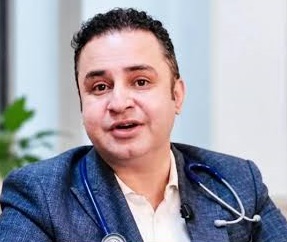
Dr. Sushil Sitaula
Consultant in Internal Medicine
Nepal Medical Council Registration No. 6973
Dr. Sushil Sitaula is a Consultant in Internal Medicine with a special interest in sexual health. He holds an MBBS and an MD in Internal Medicine and is registered with the Nepal Medical Council (Registration No. 6973).
Key Expertise
Frequently Asked Questions
What causes sexual weakness in men?
Causes include low testosterone, diabetes, cardiovascular disease, thyroid problems, medications, depression, anxiety, chronic stress, smoking, alcohol, obesity and poor sleep. Sexual weakness is a symptom description — proper evaluation identifies the specific cause.
Is sexual weakness the same as erectile dysfunction?
Not exactly. Sexual weakness is a broader term covering low libido, erection problems, ejaculation issues and fatigue. Erectile dysfunction is one specific component. A proper evaluation determines which problem you actually have.
Can sexual weakness be cured?
Many causes are treatable. Hormonal problems, diabetes, psychological issues and lifestyle factors can often be addressed effectively. Some age-related changes may not fully reverse, but significant improvement is usually possible with proper treatment.
Are herbal products effective for sexual weakness?
Most herbal products are unproven and some contain undeclared pharmaceuticals that can be unsafe. They do not address underlying medical causes. A proper medical evaluation is far more effective and safer than self-medication.
How much does sexual weakness treatment cost in Kathmandu?
Consultation typically costs Rs. 500–1,500. Blood tests add Rs. 1,500–5,000 depending on what is needed. Medications vary in cost — generic options are affordable. Total cost depends on the identified cause and treatment plan.
Is sexual weakness a sign of serious illness?
Sometimes. Erectile dysfunction can be an early warning sign of cardiovascular disease. Low libido may indicate depression or hormonal problems. Sexual weakness itself is not dangerous, but it can signal underlying conditions that need attention.
Can lifestyle changes improve sexual weakness?
Yes. Exercise, weight management, quitting smoking, reducing alcohol, improving sleep and stress management all improve sexual function. These changes are often the first-line treatment and produce measurable benefits.
Is sexual weakness treatment confidential?
Yes. All consultations at Thamel Clinic are completely confidential. Your concerns are discussed privately with a non-judgmental provider. Results and treatment plans are only shared with your consent.
How long does treatment for sexual weakness take?
It depends on the cause. Lifestyle changes show benefits in weeks to months. Medications for ED work acutely. Hormonal treatment takes time to show effects. Psychological counseling is typically a longer process. Your provider will give realistic timelines.
Should I see a sexologist or a urologist for sexual weakness?
For comprehensive evaluation of sexual weakness — including psychological and relationship factors — a sexologist or sexual health specialist is appropriate. Urologists focus more on structural and surgical issues. Many conditions benefit from both perspectives.
Still have questions? Contact us or book an appointment for personalized guidance.
Related Services & Guides
Sexual Weakness and Fatigue
Addressing the combined concerns of sexual weakness and chronic fatigue.
Erectile Dysfunction Treatment
Comprehensive ED evaluation and treatment at Thamel Clinic.
Low Libido in Men
Evaluation and treatment of reduced sexual desire in men.
Best Male Sexologist in Kathmandu
Overview of male sexual health services and specialist care.
Sexology Consultation Fees
Transparent pricing for sexology consultations in Kathmandu.
Low Testosterone Treatment
Evaluation and management of testosterone deficiency in men.
Book Confidential Consultation
Schedule a private sexual health consultation at Thamel Clinic.
Contact Thamel Clinic
Reach our team for questions about male sexual health services.
Related Health Guides
Medical Review & Sources
Medically reviewed by: Thamel Clinic Clinical Team (MBBS, MD)
Role: Male sexual health and sexology clinical reviewers, Thamel Clinic, Kathmandu
Last reviewed: 2026-11-08
Reviewed against current sexual medicine guidelines. This is general medical information; a registered clinician must assess each patient before treatment.
References
- Erectile dysfunction fact sheet — NHS, 2023
- Sexual dysfunction — Symptoms and causes — Mayo Clinic, 2024
- Male sexual dysfunction — StatPearls, NCBI Bookshelf, 2024
Medical information is general guidance only and does not replace an individual consultation. Treatment decisions are made after clinical assessment, including allergy and pregnancy review.
Medical Disclaimer
Important information about using this medical website
Educational Purpose Only
The information provided on this website, including all text, graphics, images, and other material, is for informational and educational purposes only. It is not intended to be a substitute for professional medical advice, diagnosis, or treatment.
No Doctor-Patient Relationship
Use of this website does not create a doctor-patient relationship. The information provided is not tailored to your specific medical condition or health needs. Always seek the advice of your physician or other qualified health provider with any questions you may have regarding a medical condition.
Emergency Situations
If you think you may have a medical emergency, call your doctor or emergency services immediately. In Nepal, call 102 for emergency services or go to the nearest hospital emergency room.
Emergency Contact Information:
National Emergency:
102 (Ambulance)
Our Clinic:
+977-9700682800 (WhatsApp available 24/7)
Bir Hospital Emergency:
+977-1-4412400
TU Teaching Hospital:
+977-1-4434320
Timeliness of Information
Medical information changes rapidly. While we strive to provide current and accurate information, we make no guarantees about the completeness, accuracy, reliability, suitability, or availability with respect to the website or the information contained on the website.
Professional Medical Advice Required
Never disregard professional medical advice or delay in seeking it because of something you have read on this website. If you have any specific questions about any medical matter, you should consult your doctor or other professional healthcare provider.
Treatment and Diagnosis
Do not use the information on this website to diagnose or treat any health problem or disease. The descriptions of treatments and medications provided are for general informational purposes only and do not constitute medical advice.
Limitation of Liability
In no event shall we be liable for any loss or damage arising from the use of this website or reliance on the information provided herein. This includes, but is not limited to, direct, indirect, incidental, punitive, and consequential damages.
Nepal-Specific Considerations
This website is operated in Nepal and is intended for users in Nepal. The medical information provided may not be applicable to healthcare systems outside Nepal. Always consult with local healthcare providers familiar with Nepal's healthcare system and regulations.
Last Updated: November 20, 2026 |Clinic: Thamel Clinic |Licensed: Registered