
Sexologist for Orgasm Problems in Women in Kathmandu Understanding and treating female orgasm difficulties
Difficulty reaching orgasm is common, distressing, and treatable. This guide covers the physical, psychological and relational causes of female orgasm problems and how a sexologist in Kathmandu can help.
Medically Reviewed Content
Reviewed by: Thamel Clinic Clinical Team (MBBS, MD)
Last medical review: November 8, 2026
Next scheduled review: May 8, 2027
This content follows evidence-based medical guidelines and is regularly updated to reflect current medical practices.
Important Information
- If orgasm difficulties are accompanied by pain during sex, see a clinician — pain is not a normal part of sexual activity.
- Sudden loss of orgasm ability alongside other symptoms may indicate a medical issue needing evaluation.
- Past sexual trauma affecting current sexual function deserves trauma-informed professional support.
- Orgasm difficulties causing severe distress or relationship breakdown warrant prompt professional help.
Female Sexual Health in Kathmandu & Nepal
- Taboo and silence — female sexual concerns are rarely discussed openly in Nepalese society, leaving many women without information or support for orgasm difficulties.
- Myth of intercourse-only orgasm — the widespread belief that women should orgasm from penetrative sex alone is a major barrier; most women require clitoral stimulation.
- Postpartum changes — many Nepali women experience sexual changes after childbirth, including reduced sensation and difficulty with orgasm, often without being told this is common.
- Access to female providers — many women prefer female clinicians for sexual health concerns; access to female sexologists in Kathmandu is important.
- Mental health connection — depression, anxiety and stress — increasingly recognized but under-treated in Nepal — directly affect sexual function and orgasm.
Overview: Female Orgasm Problems
Orgasm problems in women — medically termed female orgasmic disorder or anorgasmia — describe persistent difficulty reaching orgasm despite adequate sexual stimulation. This is one of the most common female sexual concerns, affecting a significant proportion of women at some point in their lives, yet it remains heavily underdiscussed due to stigma and embarrassment.
The causes are almost always multifactorial. Physical factors include hormonal changes, medical conditions, medications, and anatomical or neurological differences. Psychological factors include anxiety, depression, body image issues, past trauma, and negative conditioning about sex. Relational factors include poor communication, inadequate stimulation, relationship problems, and the widespread myth that women should orgasm from intercourse alone.
The good news is that female orgasm problems respond well to treatment. Sex therapy, education about female sexual response, addressing underlying psychological issues, and improving sexual communication are all effective approaches. A sexologist can assess which factors are contributing and design an individualized treatment plan.
This page explains what orgasm problems are, their common causes, how they are assessed, treatment options available in Kathmandu, and how Thamel Clinic provides confidential, non-judgmental care for women experiencing these concerns.
Types of Female Orgasm Difficulties
Female orgasm problems exist on a spectrum. Primary anorgasmia means a woman has never experienced orgasm. Secondary anorgasmia means orgasm was once possible but is now difficult or impossible. Situational anorgasmia means orgasm is possible in some circumstances (such as masturbation) but not others (such as with a partner). Each type suggests different underlying causes and treatment approaches.
The severity also varies — some women experience complete absence of orgasm, others have delayed or weak orgasms, and some have orgasms that are physically present but not satisfying. Understanding which pattern applies helps the clinician target the right factors.
- Primary anorgasmia — never experienced orgasm.
- Secondary anorgasmia — orgasm possible before but not now.
- Situational anorgasmia — orgasm possible in some contexts but not others.
- Delayed or weak orgasm — present but diminished.
- Physically present but unsatisfying orgasm.
Primary
Never having experienced orgasm suggests deeper psychological or educational factors.
Secondary
Losing the ability to orgasm often signals a change — hormonal, relational or psychological.
Situational
Orgasm possible alone but not with a partner points to relational or performance factors.
Spectrum of severity
Problems range from complete absence to diminished quality — all are treatable.
Causes of Female Orgasm Problems
Physical causes include hormonal changes (menopause, postpartum, birth control), medical conditions (diabetes, thyroid disorders, multiple sclerosis), medications (antidepressants, blood pressure drugs), and anatomical factors. The clitoris has thousands of nerve endings and is the primary source of female orgasm — inadequate clitoral stimulation is the most common reason women do not orgasm during intercourse.
Psychological causes include anxiety, depression, body image issues, past sexual trauma, religious or cultural conditioning that creates shame about sex, and performance anxiety. Relational causes include poor communication about needs, relationship dissatisfaction, and partners who do not understand female sexual response. Most cases involve multiple overlapping factors.
- Hormonal changes — menopause, postpartum, contraceptives.
- Medical conditions — diabetes, thyroid, neurological disorders.
- Medications — antidepressants, blood pressure drugs.
- Inadequate clitoral stimulation — the most common physical factor.
- Anxiety, depression, body image issues, past trauma.
- Poor communication and relationship dissatisfaction.
Stimulation matters
Most women need direct clitoral stimulation — intercourse alone is insufficient for the majority.
Hormonal factors
Menopause, postpartum changes and contraceptives can all affect orgasmic function.
Psychological barriers
Anxiety, shame and past experiences can block orgasm even when physical function is normal.
Relational factors
Communication problems and partner dynamics significantly affect sexual satisfaction.
How Orgasm Problems Are Assessed
Assessment begins with a sensitive, detailed history covering sexual development, past experiences, current relationship dynamics, medical history, medications, and the specific pattern of orgasm difficulties. The clinician explores what stimulation is used, what happens during sexual activity, and what psychological factors may be contributing.
Physical examination may be performed to rule out anatomical or medical causes. Laboratory tests can check hormonal levels, thyroid function, and other possible contributors. The assessment is conducted with sensitivity and without judgment — many women feel embarrassed discussing orgasm, and a skilled clinician creates a safe space for honest conversation.
- Detailed sexual history — past and present experiences.
- Assessment of stimulation methods and sexual response.
- Review of medical conditions and medications.
- Hormonal and metabolic testing where indicated.
- Exploration of psychological and relational factors.
- Sensitive, non-judgmental clinical environment.
Sensitive history
A detailed, respectful sexual history is the foundation of accurate assessment.
Medical evaluation
Physical causes are ruled out through examination and targeted testing.
Psychological exploration
Anxiety, trauma and body image issues are assessed as potential contributors.
Relational context
Partner dynamics and communication patterns are explored where relevant.
Treatment Options for Female Orgasm Problems
Treatment is individualized based on identified causes. Education is often the first intervention — many women do not know that clitoral stimulation is essential, that orgasm varies between women, or that there is no "normal" timeline. Sex therapy techniques include directed masturbation exercises, sensate focus, and communication training to help women learn their own responses and teach partners.
Psychological issues are addressed through counseling — anxiety management, processing past trauma, challenging negative beliefs about sex and the body. Medical causes are treated directly: adjusting medications, treating hormonal imbalances, or addressing underlying conditions. For couples, therapy addresses both partners' needs and improves sexual communication.
- Education about female sexual response and anatomy.
- Directed masturbation and sensate focus exercises.
- Sex therapy for anxiety, trauma and communication.
- Medication review and adjustment where needed.
- Hormonal treatment for confirmed imbalances.
- Couples therapy to improve sexual communication.
Education first
Understanding female sexual response resolves many concerns based on myths.
Sex therapy
Structured exercises help women learn their bodies and communicate needs.
Psychological support
Counseling addresses anxiety, trauma and negative beliefs blocking orgasm.
Medical treatment
Physical causes are treated directly when identified.
Communicating with Your Partner About Orgasm
Honest communication about orgasm is essential but often the hardest part. Many women feel embarrassed or worry their partner will be hurt. However, partners generally want to know how to please their partner — they simply do not always know what to ask. A sexologist can help facilitate these conversations or teach communication skills.
Useful approaches include starting with positive feedback, expressing needs as requests rather than criticisms, and exploring together what feels good. Couples therapy can provide a structured, safe environment for these discussions. Remember that sexual satisfaction is a shared goal, not a performance metric.
- Start with positive feedback about what works.
- Express needs as requests, not criticisms.
- Explore together — curiosity rather than demands.
- Use "I" statements to avoid blame.
- Consider couples therapy for facilitated communication.
- Remember satisfaction is a shared goal.
Positive framing
Leading with what feels good makes partners more receptive to requests.
Requests not demands
Framing needs as requests rather than criticisms preserves intimacy.
Shared exploration
Approaching sexual discovery as a team reduces pressure and increases pleasure.
Professional facilitation
A therapist can help couples have these conversations safely.
Female Sexual Health Services & Costs
| Service | What It Includes | Cost (NPR) |
|---|---|---|
| Sexologist consultation (female) | Sensitive assessment of orgasm and sexual function concerns. | Rs. 800–1,500 |
| Sexual health assessment | Detailed evaluation of sexual response, desire and satisfaction. | Rs. 800–1,500 |
| Counseling session | Therapy for anxiety, trauma, body image and communication. | Per session |
| Couple counseling | Joint sessions addressing sexual communication and intimacy. | Per session |
| Hormonal blood tests | Testosterone, thyroid, estrogen and other relevant tests. | Rs. 1,500–4,000 |
| Follow-up support | Ongoing sessions to monitor progress and adjust approach. | Rs. 800–1,500 |
Indicative prices in NPR; confirm current rates when booking. All consultations are confidential.
Why Women Choose Thamel Clinic
- Female-sensitive care — clinicians experienced in women's sexual health concerns.
- Completely confidential — private consultations in a discreet, safe setting.
- Non-judgmental approach — all concerns discussed calmly without shame.
- Evidence-based treatment — sex therapy, counseling and medical management combined.
- Couple-inclusive options — partners can be involved where appropriate.
- Holistic assessment — physical, psychological and relational factors all evaluated.
- Central Kathmandu location — easily accessible for women across the valley.
Relevant Specialist Expertise
These clinicians provide care within their scope of practice at our clinic.
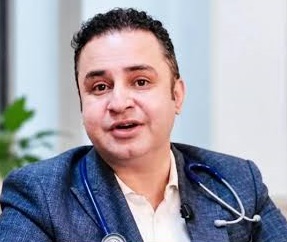
Dr. Sushil Sitaula
Consultant in Internal Medicine
Nepal Medical Council Registration No. 6973
Dr. Sushil Sitaula is a Consultant in Internal Medicine with a special interest in sexual health. He holds an MBBS and an MD in Internal Medicine and is registered with the Nepal Medical Council (Registration No. 6973).
Key Expertise
Frequently Asked Questions
Why can't I orgasm during sex?
Most women need direct clitoral stimulation to orgasm — intercourse alone is insufficient for the majority. Other causes include anxiety, hormonal changes, medications, and relationship factors. A sexologist can identify your specific causes.
Is it normal to have trouble orgasming?
Yes — orgasm difficulties are very common, affecting a significant proportion of women. They are not a personal failing and are highly treatable with the right approach.
Can orgasm problems be cured?
Most cases improve significantly or resolve completely with treatment. Sex therapy, education, counseling and medical treatment address the underlying causes effectively.
Should I tell my partner I cannot orgasm?
Honest communication helps — partners generally want to please you and simply need guidance. A sexologist can help you communicate needs effectively or facilitate these conversations.
Can medications cause orgasm problems?
Yes. Antidepressants, blood pressure medications and some other drugs can affect orgasm. A clinician can review your medications and suggest alternatives if needed.
Is this service confidential?
Yes. All consultations are completely private and non-judgmental. Your concerns are discussed confidentially with no disclosure to others.
Do I need to see a female doctor?
Many women prefer female clinicians for sexual health concerns. Please mention your preference when booking — we will do our best to accommodate.
What causes orgasm problems after childbirth?
Postpartum hormonal changes, physical recovery, fatigue, and shifted priorities can all affect sexual function. Most women find improvement with time and appropriate support.
Can therapy really help with orgasm problems?
Yes. Sex therapy and counseling are among the most effective treatments for female orgasm difficulties, addressing psychological, relational and behavioral factors.
When should I seek professional help?
Seek help when orgasm difficulties persist, cause distress, or affect your relationship and quality of life. Pain during sex or sudden changes in function also warrant prompt assessment.
Still have questions? Contact us or book an appointment for personalized guidance.
Related Services & Guides
Female Orgasm Disorders
Specialized care for orgasmic disorders in women.
Female Sexual Problems
Comprehensive care for women's sexual health concerns.
Female Sexual Satisfaction
Improving satisfaction and pleasure for women.
Sexual Satisfaction Issues
Addressing dissatisfaction and pleasure concerns.
Vaginismus
Treatment for painful involuntary vaginal muscle spasms.
Female Arousal Disorder
Assessment and treatment for arousal difficulties.
Female Sexology
Specialist women's sexual health services.
Intimacy Counselling
Professional counseling for intimacy concerns.
Related Health Guides
Medical Review & Sources
Medically reviewed by: Thamel Clinic Clinical Team (MBBS, MD)
Role: Women's sexual health clinical reviewers, Thamel Clinic, Kathmandu
Last reviewed: 2026-11-08
Reviewed against current clinical guidance. This is general medical information; a registered clinician must assess each patient before treatment.
References
- Sexual health fact sheet — WHO — World Health Organization, 2024
Medical information is general guidance only and does not replace an individual consultation. Treatment decisions are made after clinical assessment, including allergy and pregnancy review.
Medical Disclaimer
Important information about using this medical website
Educational Purpose Only
The information provided on this website, including all text, graphics, images, and other material, is for informational and educational purposes only. It is not intended to be a substitute for professional medical advice, diagnosis, or treatment.
No Doctor-Patient Relationship
Use of this website does not create a doctor-patient relationship. The information provided is not tailored to your specific medical condition or health needs. Always seek the advice of your physician or other qualified health provider with any questions you may have regarding a medical condition.
Emergency Situations
If you think you may have a medical emergency, call your doctor or emergency services immediately. In Nepal, call 102 for emergency services or go to the nearest hospital emergency room.
Emergency Contact Information:
National Emergency:
102 (Ambulance)
Our Clinic:
+977-9700682800 (WhatsApp available 24/7)
Bir Hospital Emergency:
+977-1-4412400
TU Teaching Hospital:
+977-1-4434320
Timeliness of Information
Medical information changes rapidly. While we strive to provide current and accurate information, we make no guarantees about the completeness, accuracy, reliability, suitability, or availability with respect to the website or the information contained on the website.
Professional Medical Advice Required
Never disregard professional medical advice or delay in seeking it because of something you have read on this website. If you have any specific questions about any medical matter, you should consult your doctor or other professional healthcare provider.
Treatment and Diagnosis
Do not use the information on this website to diagnose or treat any health problem or disease. The descriptions of treatments and medications provided are for general informational purposes only and do not constitute medical advice.
Limitation of Liability
In no event shall we be liable for any loss or damage arising from the use of this website or reliance on the information provided herein. This includes, but is not limited to, direct, indirect, incidental, punitive, and consequential damages.
Nepal-Specific Considerations
This website is operated in Nepal and is intended for users in Nepal. The medical information provided may not be applicable to healthcare systems outside Nepal. Always consult with local healthcare providers familiar with Nepal's healthcare system and regulations.
Last Updated: November 20, 2026 |Clinic: Thamel Clinic |Licensed: Registered