
Molluscum contagiosum
Molluscum Contagiosum (MCV Infection)
Medical content reviewed and approved by Dr. GP Yadav, MD, Dermatology Specialist; STI/STD Expert
Definition
Molluscum contagiosum is a common viral skin infection caused by Molluscum Contagiosum Virus (MCV), a poxvirus. In adults, it is frequently transmitted sexually, presenting as characteristic dome-shaped, umbilicated papules on the genital and perineal regions.
Symptoms of Molluscum Contagiosum
Molluscum contagiosum presents as discrete, dome-shaped, pearly or flesh-colored papules with a characteristic central dimple (umbilication). Lesions typically measure 2-5mm and may appear singly or in clusters on the genital area, thighs, and lower abdomen. In adults with sexually transmitted infection, lesions are typically confined to the anogenital region. The papules are usually asymptomatic but may become itchy, erythematous, or inflamed, particularly as the immune system mounts a response. In immunocompromised individuals, lesions can become numerous, large, and confluent.
Common Symptoms:
- Dome-shaped, flesh-colored papules with central umbilication
- papules ranging from 2-5mm in diameter
- Lesions on genital, perineal, and lower abdominal regions
- Mild itching or irritation at lesion sites
- Coalescence of lesions in immunocompromised patients
Clinical Images
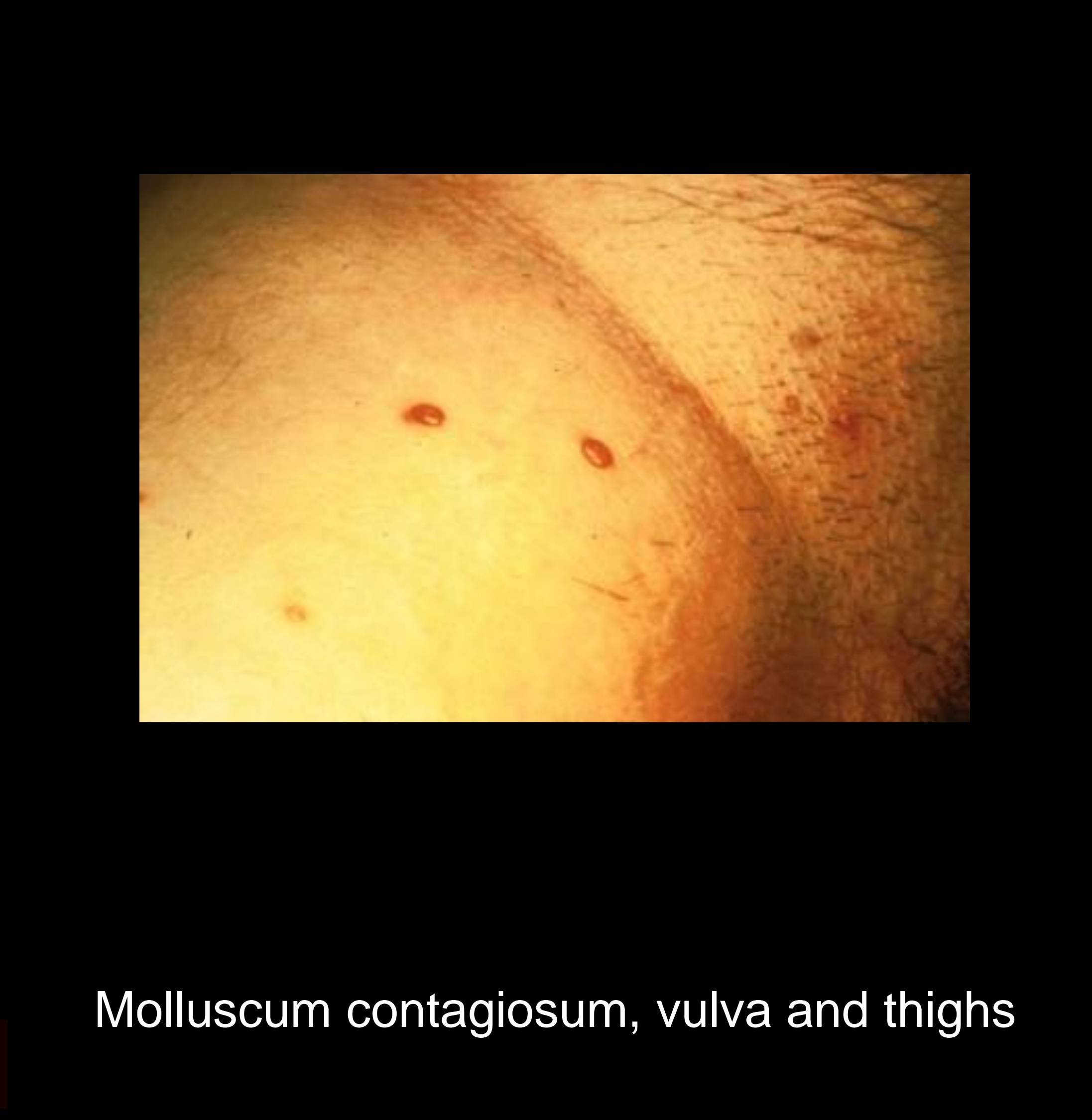
Molluscum contagiosum presenting as dome-shaped, flesh-colored papules with characteristic central umbilication on the genital region, typical of sexually transmitted MCV infection.
Image provided by Dr. GP Yadav
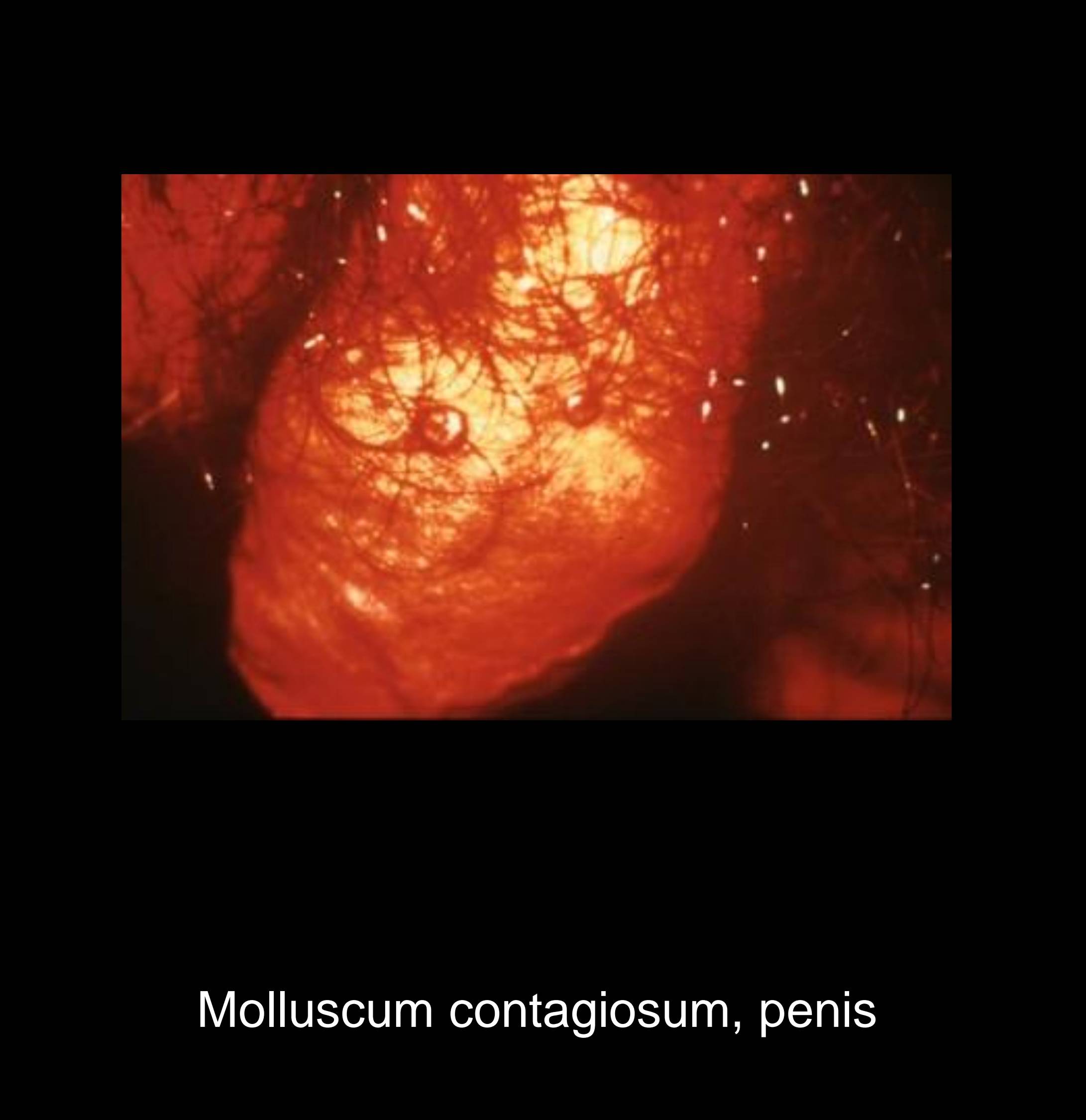
Multiple molluscum contagiosum lesions on the lower abdomen and pubic area demonstrating clustered pearly papules with central dimples and surrounding mild erythema.
Image provided by Dr. GP Yadav
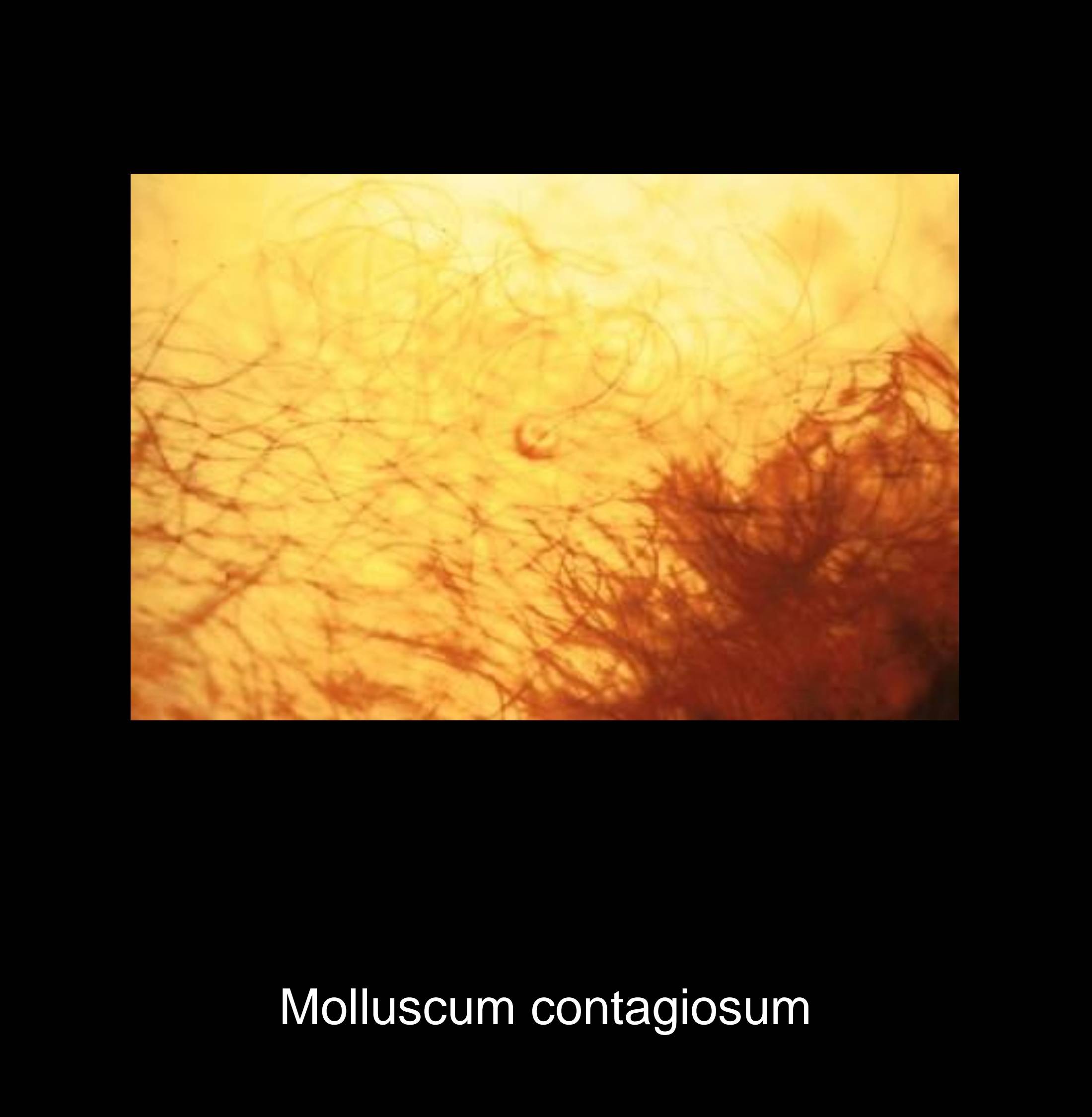
Giant molluscum contagiosum lesions in an immunocompromised patient demonstrating unusually large papules with pronounced central umbilication and surrounding inflammatory response.
Image provided by Dr. GP Yadav
Transmission of Molluscum Contagiosum
In adults, molluscum contagiosum is primarily transmitted through sexual contact with infected skin. The virus enters through micro-abrasions in the epidermis. Auto-inoculation is common as patients spread the virus to other body sites through scratching, shaving, or touching lesions. Fomite transmission via shared towels, clothing, or gym equipment can occur. Children typically acquire the infection through non-sexual skin-to-skin contact. The incubation period ranges from 2 weeks to 6 months.
Transmission Methods:
- Direct skin-to-skin contact with infected lesions
- Sexual contact (primary mode in adults)
- Auto-inoculation through scratching or shaving
- Fomite transmission via shared towels or clothing
Incubation Period
Typical period: 2 weeks to 6 months
The incubation period for molluscum contagiosum ranges from 2 weeks to 6 months, with an average of 2-7 weeks. The wide variation reflects differences in viral inoculum, host immune status, and site of inoculation. Lesions may appear gradually, and new lesions can continue to develop for weeks to months.
Complications of Molluscum Contagiosum
Complications are generally mild in immunocompetent individuals. Secondary bacterial infection with Staphylococcus aureus can cause impetigo or cellulitis. An eczematous dermatitis (molluscum dermatitis) may develop around lesions as a hypersensitivity reaction. In HIV-positive and other immunocompromised patients, giant molluscum lesions larger than 15mm can occur, and widespread dissemination is common. Scarring can result from aggressive treatment or excoriation. The condition typically resolves spontaneously but may persist for months to years.
Possible Complications:
- Secondary bacterial infection of lesions
- Scarring from aggressive treatment or scratching
- Giant molluscum lesions in immunocompromised patients
- Eczematous dermatitis surrounding lesions
- Psychosocial distress due to visible lesions
Treatment Options for Molluscum Contagiosum
Treatment of molluscum contagiosum is often optional in immunocompetent patients, as the infection is self-limited and resolves spontaneously within 6-12 months. Treatment is recommended for sexually active adults to reduce transmission, for symptomatic lesions, and for immunocompromised patients. No single treatment is universally effective, and combination approaches may be used. Patients should be counseled about auto-inoculation risk and instructed not to scratch or pick at lesions. Sexual partners within the preceding 2 months should be examined.
Curettage of individual lesions
Mechanical removal by curettage is rapid and effective. Lesions are curetted under local anesthesia or using topical EMLA cream. Suitable for patients with few lesions.
Cryotherapy with liquid nitrogen
Cryotherapy using liquid nitrogen or nitrous oxide for 5-10 seconds per lesion. Treatment every 2-4 weeks until clearance. May cause blistering and hypopigmentation.
Cantharidin 0.7% topical application
Cantharidin (blister beetle extract) applied topically in clinic, washed off after 4-6 hours. Causes blister formation and lesion resolution. Not recommended for facial lesions.
Prevention of Molluscum Contagiosum
Prevention involves avoiding direct contact with visible molluscum lesions. Condoms may reduce but do not eliminate transmission risk as uncovered skin can transmit the virus. Infected individuals should not share towels, clothing, or razors. Lesions should be covered when participating in contact sports or swimming. Shaving over affected areas should be avoided as it can spread the virus. There is no vaccine available. Spontaneous resolution eventually occurs, but treatment accelerates clearance and reduces transmission.
Prevention Measures:
- Avoiding direct skin-to-skin contact with visible lesions
- Consistent and correct use of condoms
- Not sharing towels, clothing, or personal items
- Covering lesions with clothing or waterproof dressing
- Avoiding shaving over affected areas
Important Disclaimer
- ⚠️This information is for educational purposes only and should not be used for self-diagnosis.
- ⚠️For accurate diagnosis and treatment, please consult with a qualified healthcare professional at an accredited medical facility.
- ⚠️Medical procedures and treatments should only be administered by licensed healthcare providers.
- ⚠️If you suspect you have an STI, visit STD Nepal clinic for confidential testing and treatment.