
Gonorrhea
Gonorrhea (Neisseria gonorrhoeae Infection)
Medical content reviewed and approved by Dr. GP Yadav, MD, Dermatology Specialist; STI/STD Expert
Definition
Gonorrhea is a common sexually transmitted bacterial infection caused by Neisseria gonorrhoeae, a gram-negative diplococcus. It can infect the urethra, cervix, rectum, pharynx, and conjunctiva, and is a major cause of pelvic inflammatory disease and infertility worldwide.
Symptoms of Gonorrhea
Symptoms of gonorrhea differ by gender and site of infection. In men, acute urethritis presents with purulent urethral discharge and dysuria 2-7 days after exposure. In women, infection often involves the cervix, causing vaginal discharge, dysuria, and intermenstrual bleeding, but up to 50% of women are asymptomatic. Rectal infection causes discharge, pain, and bleeding. Pharyngeal infection is usually asymptomatic. Disseminated infection can cause dermatitis, tenosynovitis, and arthritis.
Common Symptoms:
- Purulent urethral discharge in men
- Dysuria and increased urinary frequency
- Vaginal discharge and intermenstrual bleeding in women
- Rectal discharge, pain, and bleeding
- Pharyngeal infection (often asymptomatic)
Clinical Images
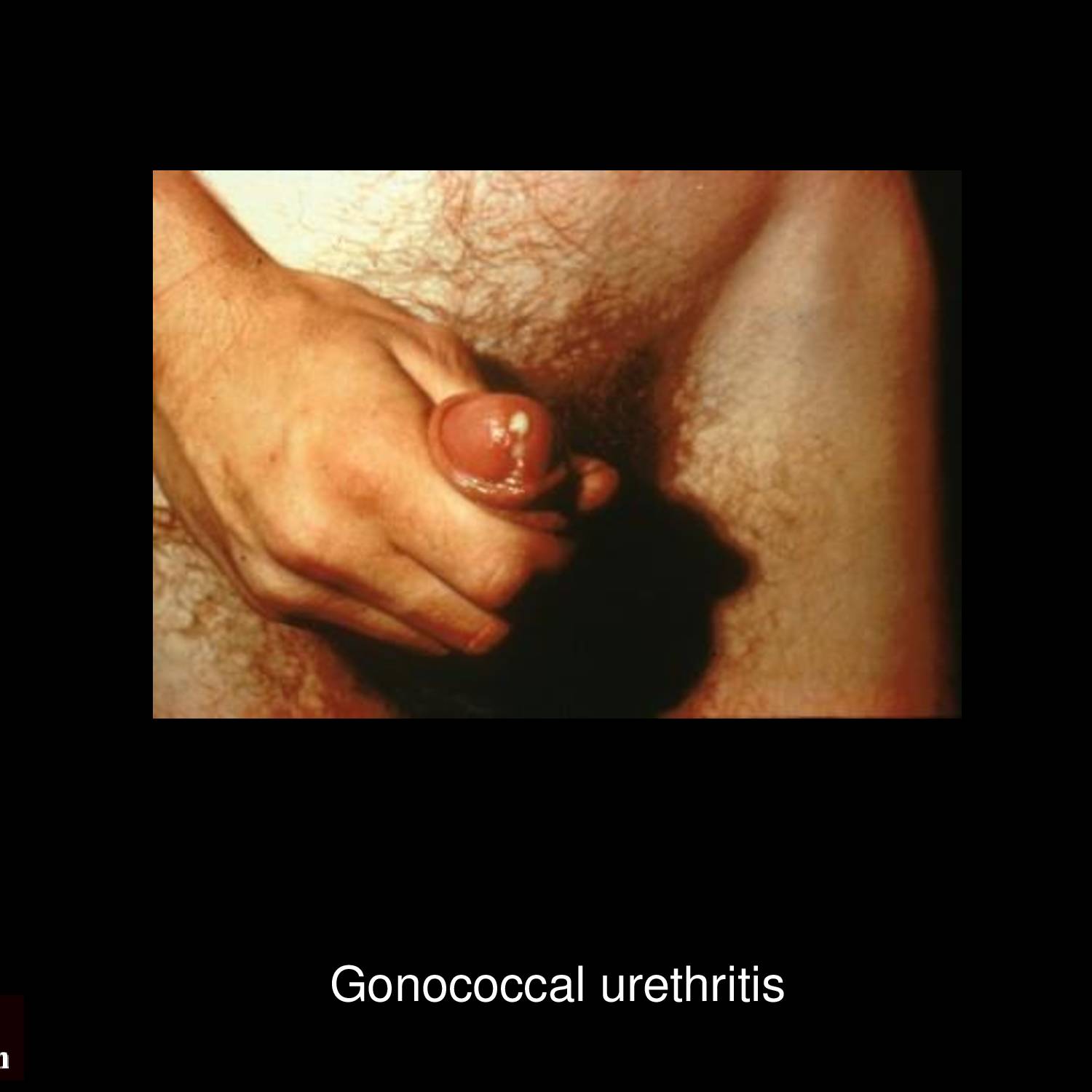
Acute gonococcal urethritis in a male patient demonstrating profuse purulent urethral discharge, the classic presentation of gonorrhea in men.
Image provided by Dr. GP Yadav
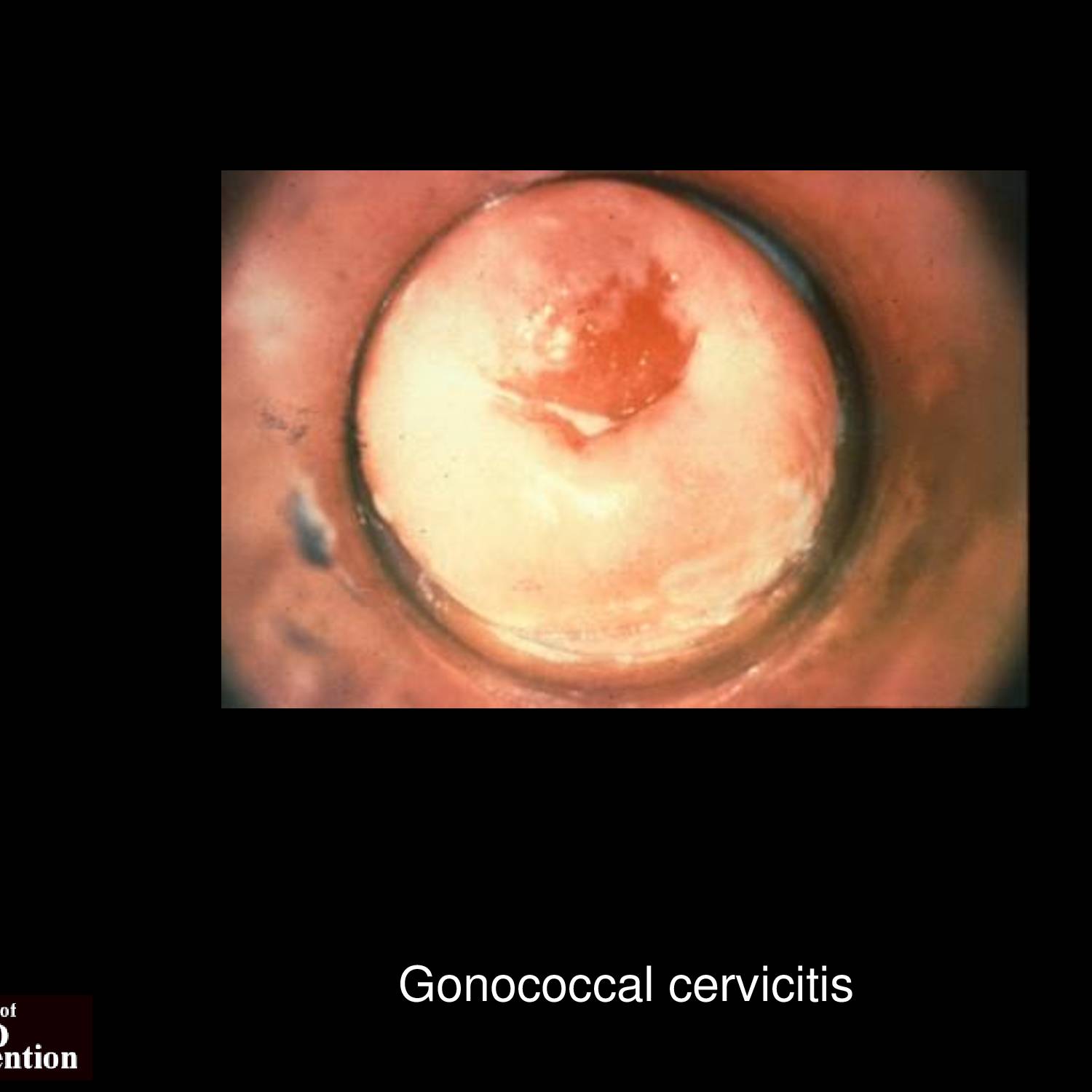
Gonococcal cervicitis in a female patient showing mucopurulent discharge from the cervical os with surrounding erythema and edema.
Image provided by Dr. GP Yadav
Gonococcal conjunctivitis presenting with profuse purulent discharge and conjunctival injection, a serious condition requiring immediate treatment to prevent corneal damage.
Image provided by Dr. GP Yadav
Disseminated gonococcal infection (DGI) demonstrating the characteristic pustular dermatitis with hemorrhagic pustules on an erythematous base on the extremities.
Image provided by Dr. GP Yadav
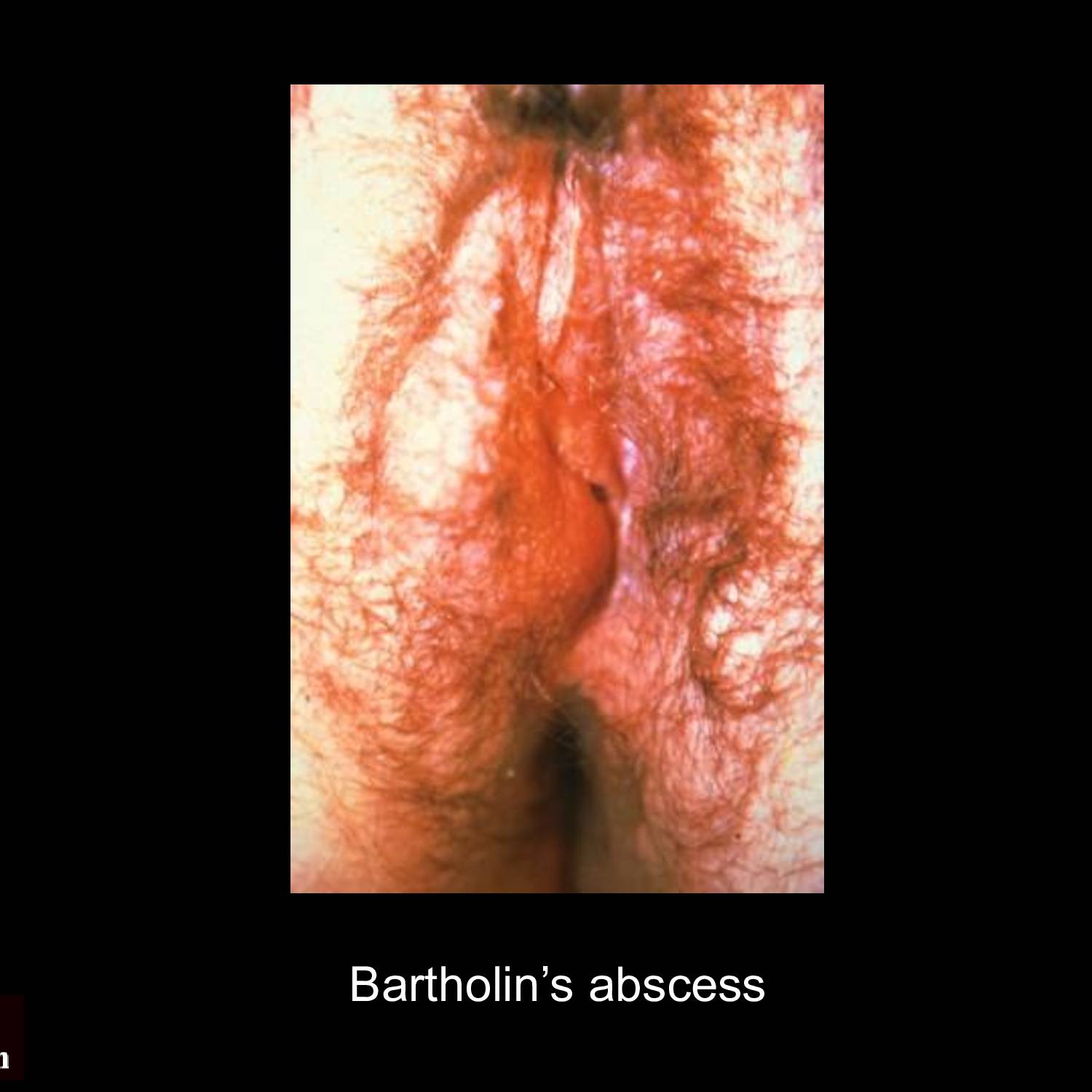
Gonococcal arthritis presenting as an acutely swollen, erythematous, and painful knee joint, a common manifestation of disseminated gonococcal infection.
Image provided by Dr. GP Yadav

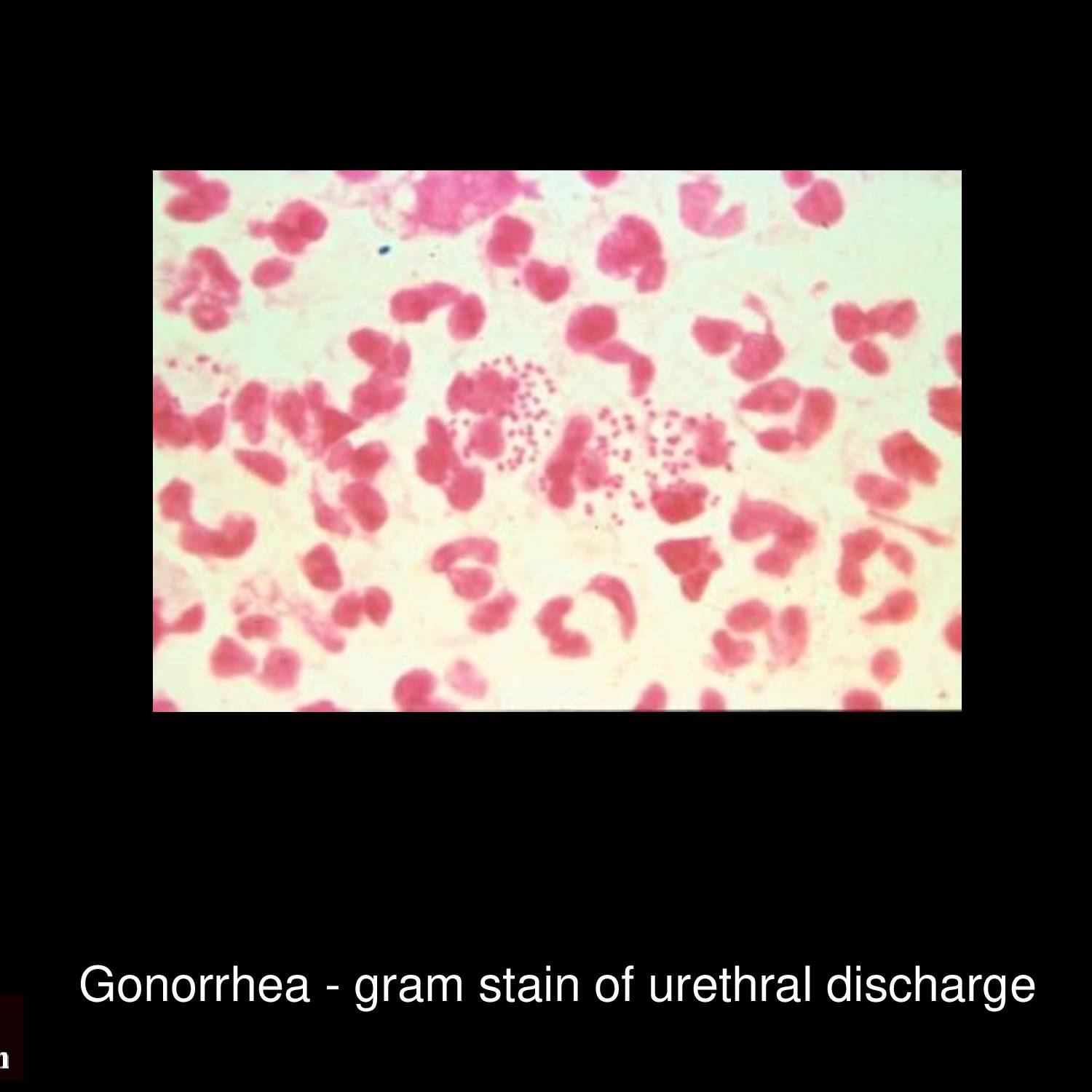
Gram stain of urethral discharge in gonorrhea showing characteristic Gram-negative intracellular diplococci within polymorphonuclear leukocytes, diagnostic of Neisseria gonorrhoeae.
Image provided by Dr. GP Yadav
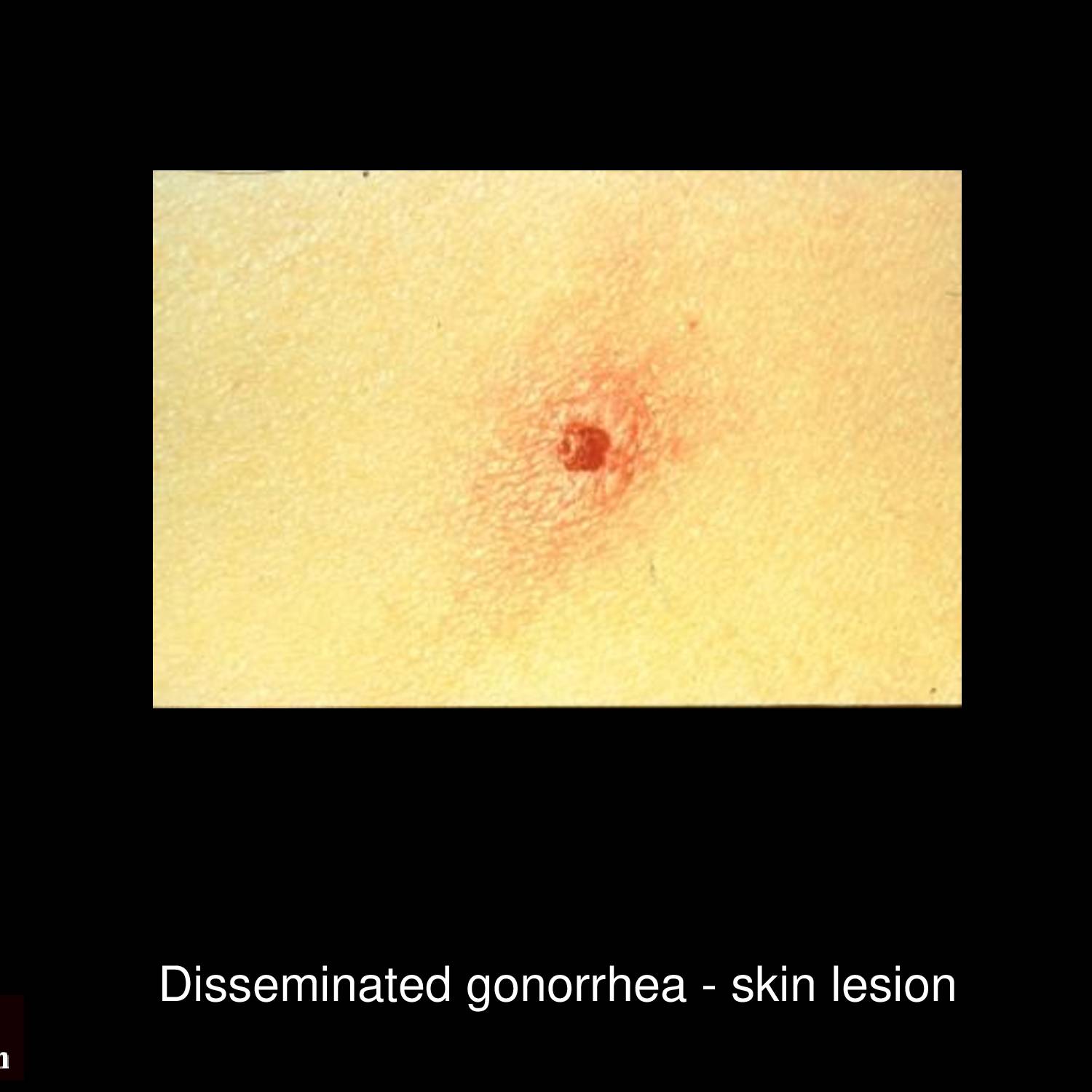
Gonococcal pharyngitis showing erythematous pharyngeal mucosa with exudative tonsillitis, typically acquired through oral-genital contact.
Image provided by Dr. GP Yadav
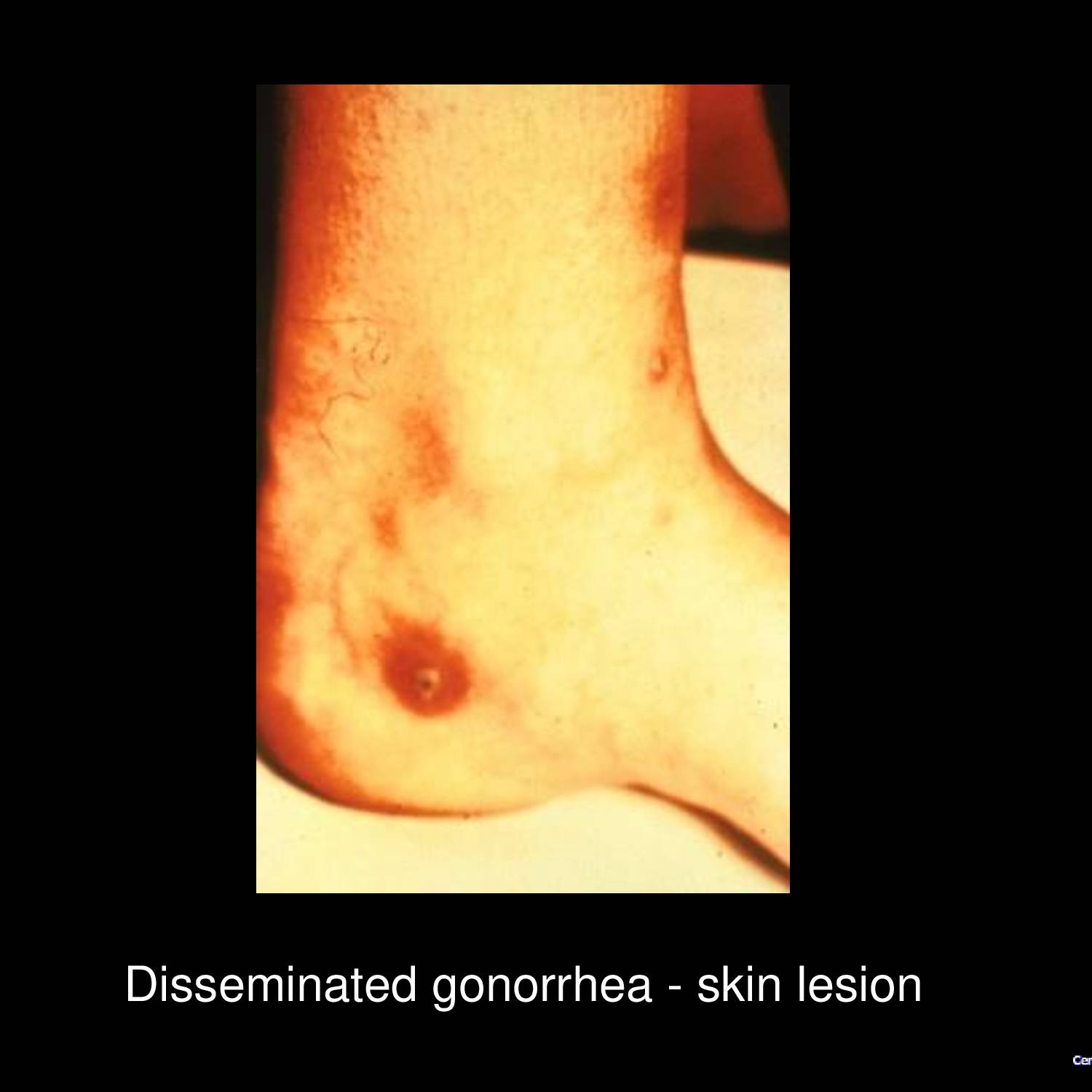
Cutaneous manifestations of disseminated gonococcal infection showing scattered pustular and hemorrhagic lesions on the trunk with surrounding erythematous halos.
Image provided by Dr. GP Yadav
Transmission of Gonorrhea
Gonorrhea is transmitted through direct contact with infected mucous membranes during vaginal, anal, or oral sex. The bacterium Neisseria gonorrhoeae infects columnar and transitional epithelium. Vertical transmission during delivery can cause neonatal ophthalmia neonatorum, a serious eye infection that can lead to blindness if untreated. Asymptomatic individuals, particularly women, play a significant role in ongoing transmission within communities.
Transmission Methods:
- Unprotected vaginal intercourse
- Unprotected anal intercourse
- Oral-genital contact
- Vertical transmission during childbirth
Incubation Period
Typical period: 2-14 days
The incubation period for gonorrhea is typically 2-7 days for symptomatic urethral infection in men, and up to 14 days or longer for women and extragenital sites. Many infected individuals remain asymptomatic, contributing to undetected transmission within sexual networks. The short incubation period facilitates rapid spread.
Complications of Gonorrhea
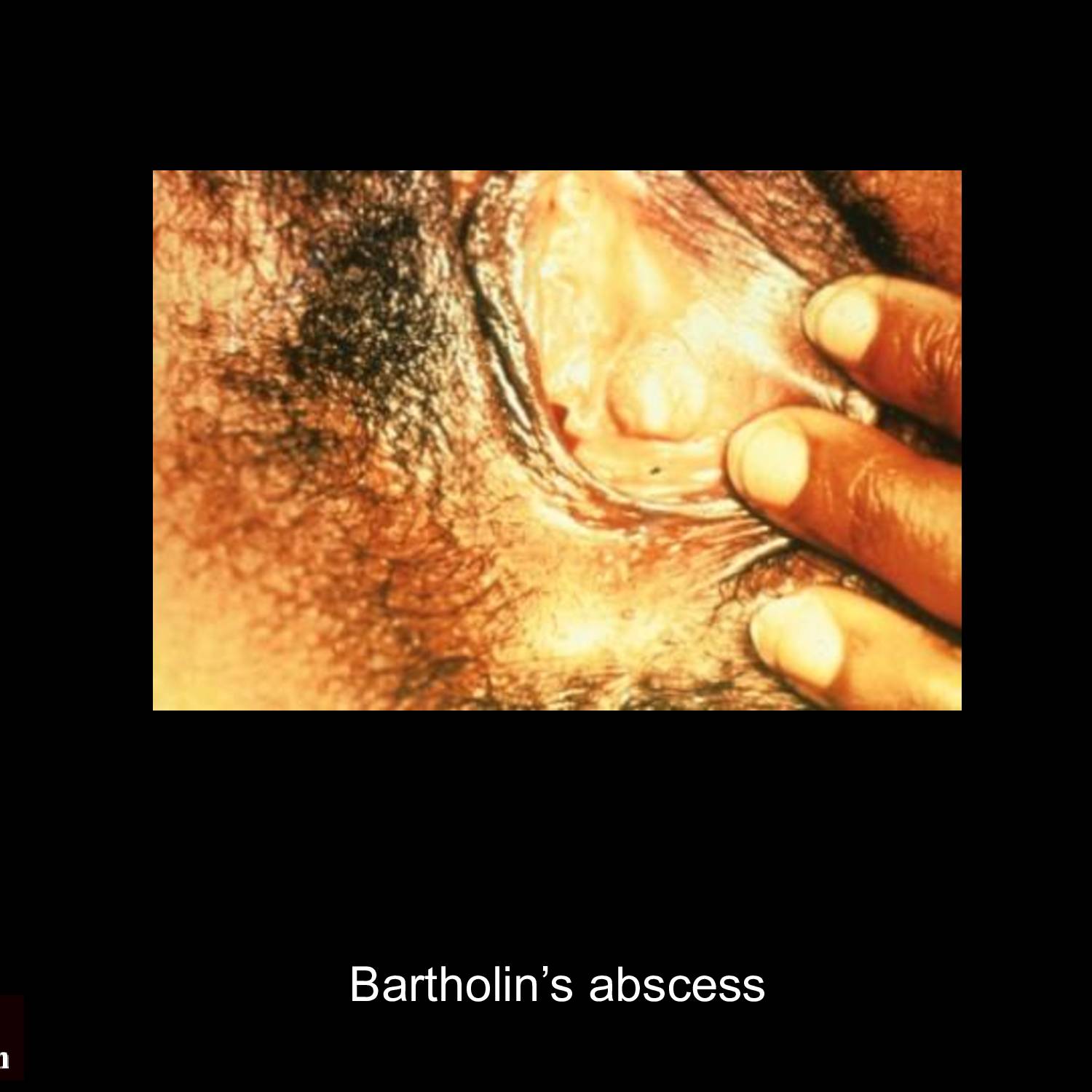
Untreated gonorrhea can lead to severe reproductive health complications. In women, ascending infection causes PID with tubal scarring leading to infertility and ectopic pregnancy. In men, epididymitis and prostatitis can impair fertility. DGI occurs in 0.5-3% of cases, presenting with dermatitis, tenosynovitis, and septic arthritis. Neonatal conjunctivitis can cause corneal ulceration and blindness. Antimicrobial resistance, particularly cephalosporin resistance, is a growing public health concern.
Possible Complications:
- Pelvic inflammatory disease (PID) in women
- Epididymitis and prostatitis in men
- Tubal factor infertility and ectopic pregnancy
- Disseminated gonococcal infection (DGI)
- Neonatal ophthalmia neonatorum
Treatment Options for Gonorrhea
Treatment of gonorrhea has become increasingly challenging due to antimicrobial resistance. Current guidelines recommend ceftriaxone 500mg IM as first-line therapy. Dual therapy with azithromycin is used in some settings. Test of cure is recommended 7-14 days after treatment, especially for pharyngeal infection. All sexual partners within 60 days should be treated. Patients should be tested for other STIs including chlamydia, syphilis, and HIV. Repeat infection is common and re-testing at 3 months is recommended.
Ceftriaxone 500mg intramuscular injection
Single intramuscular dose of ceftriaxone 500mg is the recommended first-line treatment due to increasing antimicrobial resistance. Administered as a single dose with lidocaine to reduce injection pain.
Cefixime 800mg oral single dose
Oral cefixime 800mg as a single dose is an alternative when intramuscular injection is not feasible. Less effective than ceftriaxone for pharyngeal infection.
Azithromycin 1g oral single dose (adjunct)
Azithromycin 1g orally is often added for dual therapy to cover co-existing chlamydial infection and potentially reduce resistance emergence, though this practice is evolving.
Prevention of Gonorrhea
Prevention relies on consistent condom use, which effectively reduces transmission risk. Regular STI screening is recommended for sexually active individuals under 25 and those with multiple partners. Partner notification and treatment prevent reinfection. There is no vaccine available for gonorrhea. Public health strategies include antimicrobial resistance surveillance, health education, and accessible STI testing services. Expedited partner therapy (EPT) is used in some regions to improve partner treatment rates.
Prevention Measures:
- Consistent and correct use of condoms
- Regular STI screening for sexually active individuals
- Partner notification and treatment
- Limiting number of sexual partners
- Abstinence during treatment and symptom resolution
Important Disclaimer
- ⚠️This information is for educational purposes only and should not be used for self-diagnosis.
- ⚠️For accurate diagnosis and treatment, please consult with a qualified healthcare professional at an accredited medical facility.
- ⚠️Medical procedures and treatments should only be administered by licensed healthcare providers.
- ⚠️If you suspect you have an STI, visit STD Nepal clinic for confidential testing and treatment.